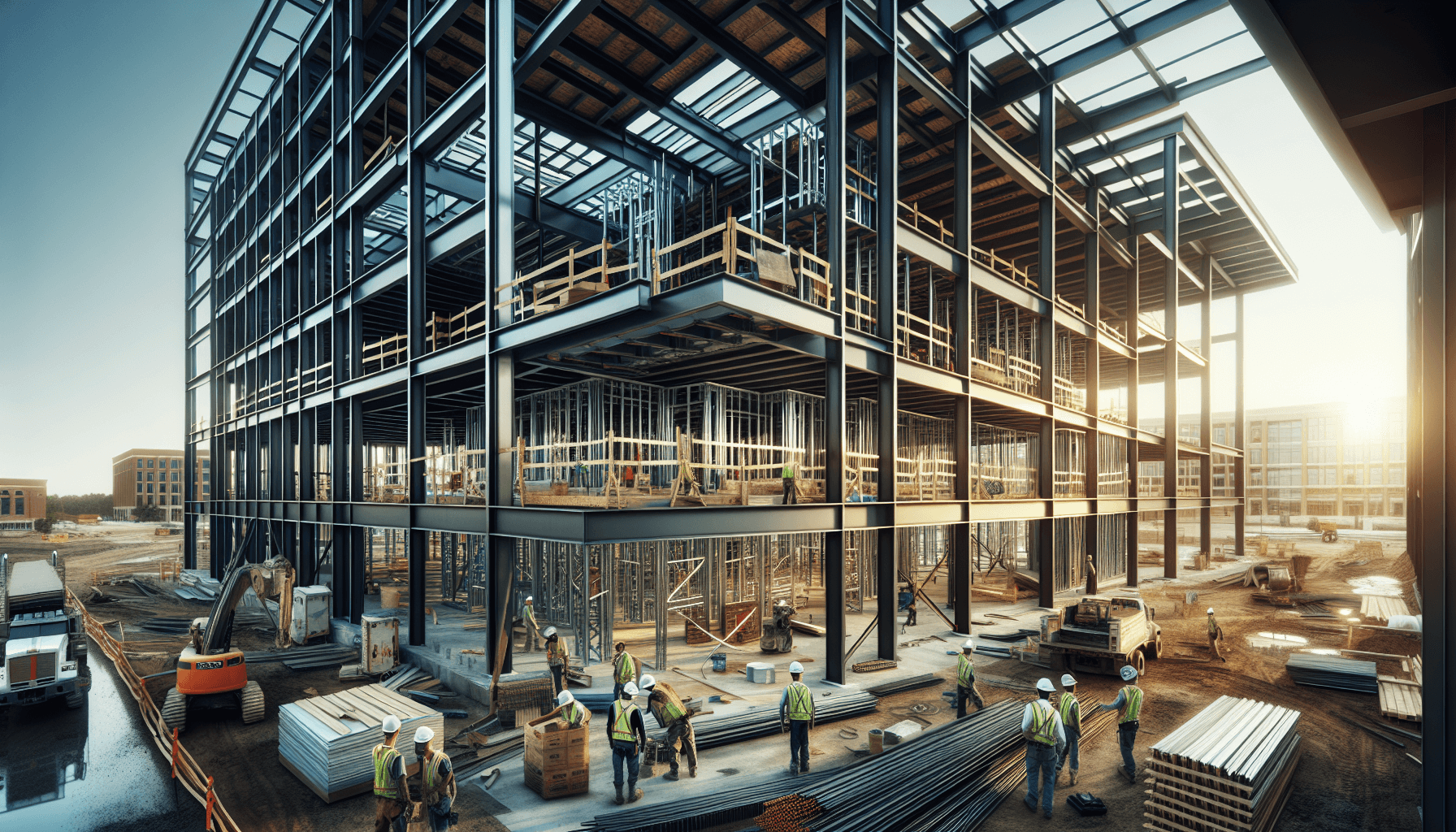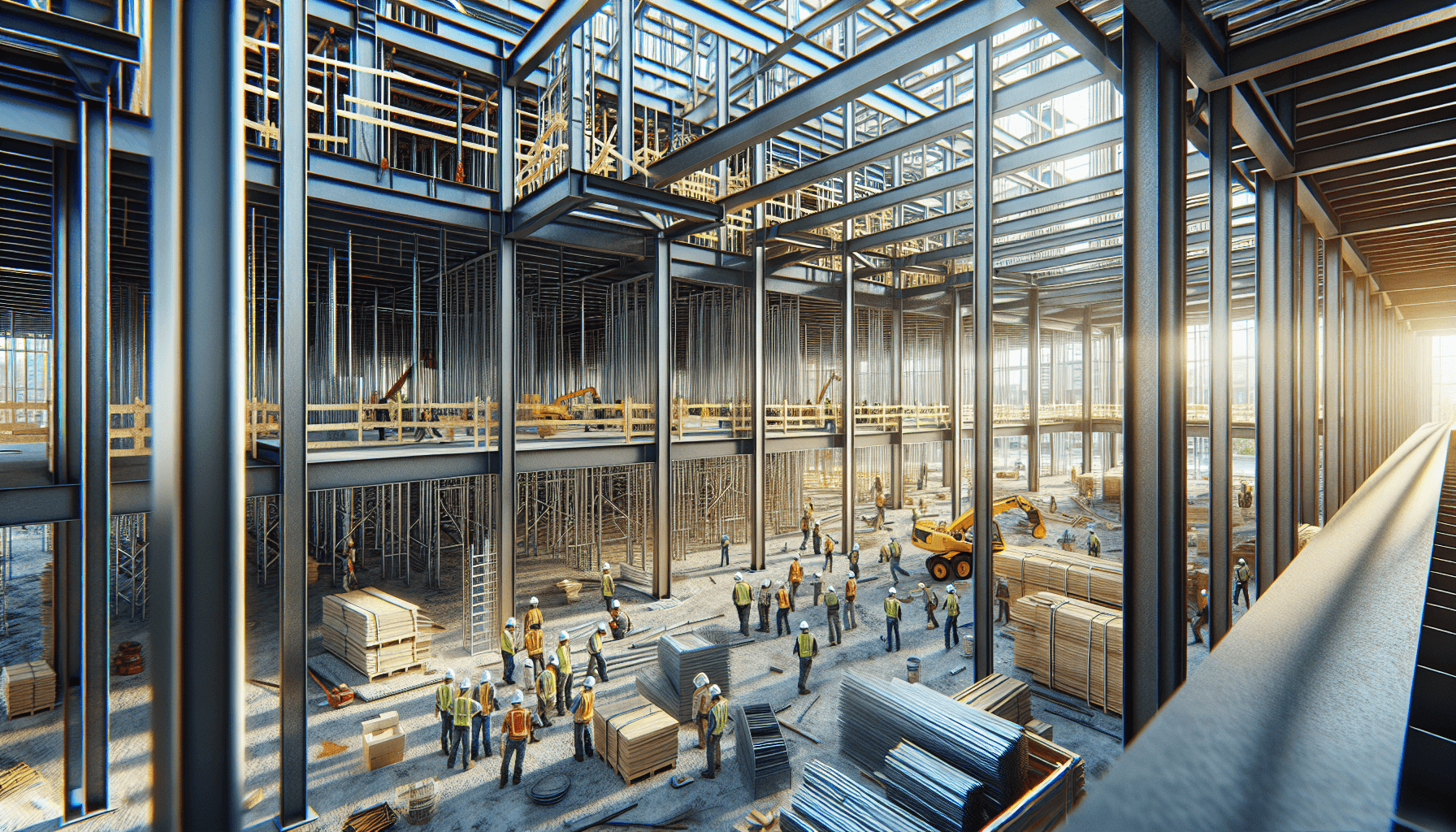
The construction industry encompasses two distinct sectors that require fundamentally different approaches, expertise, and resources. While residential construction focuses on single-family homes, townhomes, and small multi-unit dwellings, commercial construction involves office buildings, retail centers, warehouses, restaurants, and industrial facilities. For property developers, business owners, and investors in Charlotte NC and the surrounding areas, understanding these differences is essential for project success.
The distinction between commercial and residential construction extends far beyond building size. From regulatory requirements and building codes to project timelines and contractor expertise, these two sectors operate under entirely different frameworks. Whether you're planning a new warehouse facility in Huntersville or evaluating construction options for your business in South Charlotte, recognizing these differences can save significant time and money while ensuring your project meets all necessary standards.
What Defines Commercial vs Residential Construction?
Commercial construction projects differ from residential construction in scope, complexity, and regulatory requirements. Commercial buildings serve business purposes and accommodate multiple occupants, requiring enhanced structural systems, advanced MEP infrastructure, and compliance with commercial building codes. Residential construction focuses on single-family homes and small multi-family dwellings with simpler systems and different code requirements.
The International Building Code (IBC) governs commercial construction, while the International Residential Code (IRC) applies to residential projects. This fundamental distinction drives every other difference between the two construction sectors, from design requirements to safety protocols.
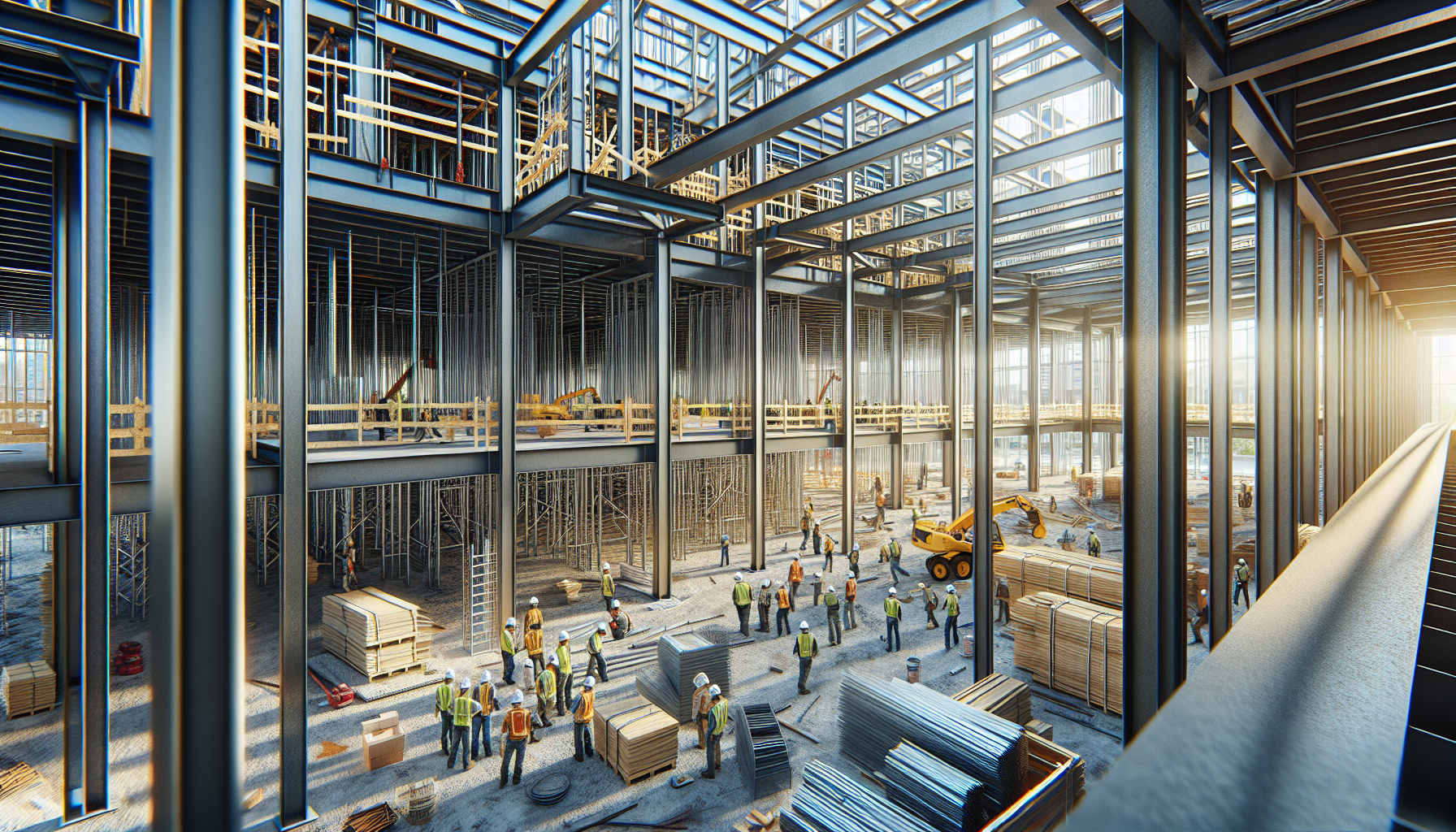
Regulatory Framework: Commercial vs Residential Construction Codes
One of the most significant differences between commercial and residential construction lies in the regulatory landscape. Commercial projects face substantially more complex code requirements and stricter oversight from multiple agencies.
International Building Code vs International Residential Code
Residential construction in Charlotte NC typically falls under the International Residential Code (IRC), which provides standardized guidelines for one and two-family dwellings and townhouses up to three stories. Commercial construction, however, must comply with the International Building Code (IBC), a far more comprehensive and stringent set of regulations covering everything from structural integrity to fire suppression systems.
Commercial buildings require fire-rated assemblies ranging from one to four hours depending on occupancy type and building height, while residential construction typically requires only basic fire-stopping measures.
The IBC requires commercial buildings to meet higher standards for:
- Fire resistance ratings: Commercial buildings require fire-rated assemblies ranging from one to four hours depending on occupancy type and building height
- Egress requirements: Multiple exit routes, wider corridors, and specific travel distances to exits
- Accessibility standards: Full ADA compliance including accessible entrances, restrooms, parking, and paths of travel
- Structural loading: Higher live load requirements ranging from 50-250 pounds per square foot versus 30-40 PSF for residential
- MEP systems: More robust mechanical, electrical, and plumbing systems with redundancy and emergency backup
In Mecklenburg County and surrounding areas like Matthews and Rock Hill SC, commercial projects undergo more rigorous plan review processes that can take 4-8 weeks compared to 2-4 weeks for residential permits. Commercial projects also require multiple inspections throughout construction, including specialized inspections for fire suppression systems, emergency lighting, and accessibility features.
Zoning and Land Use Requirements
Commercial construction projects face significantly more complex zoning considerations than residential developments. In Charlotte NC, commercial buildings must comply with specific zoning districts that dictate allowable uses, setbacks, parking ratios, and building heights. For example, a craft brewery in NoDa or Plaza Midwood must navigate mixed-use zoning requirements, conditional use permits, and neighborhood overlay districts.
Commercial projects typically require:
- Site plan approval with detailed engineering drawings
- Traffic impact studies for projects generating 100+ vehicle trips per day
- Stormwater management plans meeting MS4 permit requirements
- Landscape and buffer requirements often exceeding 20% of site area
- Photometric plans demonstrating appropriate lighting levels without light pollution
These requirements add 8-16 weeks to the pre-construction timeline for commercial projects, whereas residential construction often proceeds with simpler lot-specific approvals.
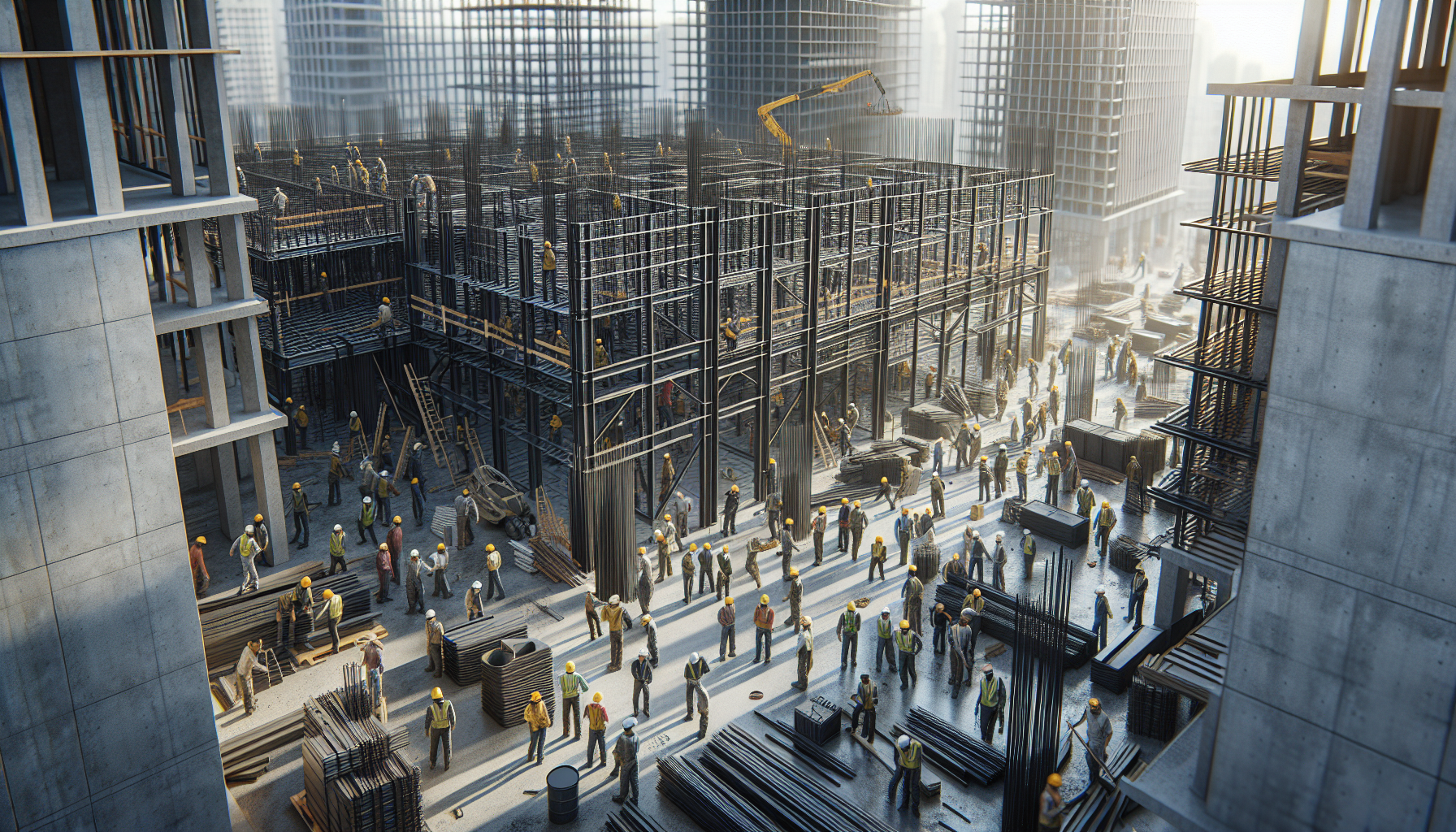
Project Complexity: Commercial vs Residential Construction Design
The technical complexity of commercial construction far exceeds that of residential projects, requiring specialized expertise across multiple disciplines and significantly more advanced engineering solutions.
Structural Engineering Demands
Commercial buildings demand comprehensive structural engineering that addresses complex loading scenarios. A typical distribution center in Mooresville might require:
- Clear span distances of 40-60 feet without interior columns
- Floor loading capacity of 150-250 PSF for warehouse racking systems
- Specialized foundation systems including pile caps, mat slabs, or caissons
- Seismic design considerations even in moderate seismic zones
- Wind load calculations for buildings over 60 feet in height
Residential construction typically uses standardized framing techniques with 2x10 or 2x12 joists on 16-inch centers and conventional foundation systems. Commercial projects, however, often employ steel frame construction, post-tension concrete slabs, or tilt-up concrete panels requiring detailed engineering calculations and specialized construction expertise.
Residential Construction
Structural Systems: Wood frame with conventional foundations
Spans: 12-20 feet typical
Loading: 30-40 PSF live loads
Engineering: Standardized details
Commercial Construction
Structural Systems: Steel, concrete, or hybrid systems
Spans: 30-60+ feet clear spans
Loading: 50-250+ PSF live loads
Engineering: Custom calculations required
MEP System Complexity in Commercial vs Residential
Mechanical, electrical, and plumbing systems in commercial buildings operate at entirely different scales than residential systems. A 50,000 square foot office building in Ballantyne might include:
- Commercial HVAC systems with 15-30 ton rooftop units or central chiller plants
- Three-phase electrical service at 480V with step-down transformers
- Emergency generator systems providing 150-500 kW backup power
- Fire sprinkler systems with dedicated water services and fire pumps
- Building automation systems controlling HVAC, lighting, and security
- Grease traps, floor drains, and commercial-grade plumbing fixtures
These systems require licensed mechanical engineers, dedicated coordination drawings, and installation by specialized trade contractors. The MEP portion of a commercial project typically represents 25-35% of total construction costs versus 15-20% for residential.
Planning a commercial construction project in Charlotte NC? Our experienced team navigates complex code requirements and delivers projects on time and on budget.
Get a Free Consultation
Construction Timeline: Commercial vs Residential Project Duration
Commercial construction projects follow fundamentally different timelines than residential builds, with longer durations and more complex scheduling requirements that reflect their increased complexity and regulatory oversight.
Typical Project Durations Compared
A single-family home in Charlotte NC typically requires 6-9 months from groundbreaking to certificate of occupancy. Commercial projects, however, span significantly longer periods due to their complexity, permit requirements, and coordination needs:
| Project Type | Typical Duration | Square Footage Range |
|---|---|---|
| Single-family home | 6-9 months | 2,000-4,000 SF |
| Small retail/office building | 8-12 months | 5,000-15,000 SF |
| Medium office building | 12-18 months | 20,000-50,000 SF |
| Large commercial development | 18-30 months | 75,000-200,000 SF |
| Industrial/warehouse facility | 10-16 months | 50,000-150,000 SF |
| Multi-tenant retail center | 14-20 months | 30,000-80,000 SF |
These extended timelines reflect the complexity of commercial systems, more extensive site work, longer permit review periods, and the coordination required among multiple specialized subcontractors. A ground-up commercial project in Huntersville might involve 15-25 different trade contractors compared to 8-12 for residential construction.
Critical Path Scheduling in Commercial Construction
Commercial construction relies heavily on critical path method (CPM) scheduling, identifying the longest sequence of dependent tasks that determines overall project duration. This sophisticated approach considers:
Step 1: Design and Permitting
Architectural and engineering design, permit applications, and approvals requiring 3-6 months for commercial projects versus 1-3 months for residential
Step 2: Long-Lead Procurement
Structural steel (12-16 weeks), custom curtain wall systems (14-20 weeks), and specialized equipment ordering
Step 3: Site Development
Extensive sitework including utilities, stormwater management, and paving requiring 8-16 weeks
Step 4: Sequential Construction
Complex trade coordination where electrical rough-in follows mechanical ductwork installation, requiring precise scheduling
Residential construction typically uses simpler bar chart schedules with less interdependency between trades, allowing for more flexibility and easier schedule recovery when delays occur.
Cost Structure: Commercial vs Residential Construction Budgets
The financial aspects of commercial and residential construction differ dramatically in scale, complexity, and risk allocation, requiring different budgeting approaches and cost management strategies.
Cost Per Square Foot Analysis
While residential construction in Charlotte NC typically ranges from $120-$200 per square foot for custom homes, commercial construction costs vary widely based on building type and finish level:
Commercial buildings typically cost 25-150% more per square foot than residential construction due to enhanced structural requirements, complex MEP systems, and higher-grade materials.
- Basic warehouse/industrial: $75-$110 per square foot
- Strip retail centers: $110-$165 per square foot
- Standard office buildings: $140-$220 per square foot
- Class A office towers: $250-$400+ per square foot
- Restaurants and breweries: $180-$350 per square foot including commercial kitchen equipment
- Medical office buildings: $220-$325 per square foot due to specialized MEP requirements
These higher costs reflect the enhanced structural requirements, more complex MEP systems, higher-grade materials, and extensive site development work typical of commercial projects. A 30,000 square foot office building in Huntersville might require $200,000-$350,000 in site work alone compared to $25,000-$50,000 for a residential lot.
Soft Costs: Commercial vs Residential Development
Commercial construction carries significantly higher soft costs,expenses not directly related to physical construction. These typically represent 15-25% of total project cost versus 8-12% for residential:
- Architectural and engineering fees: 6-10% of construction costs for commercial versus 3-5% for residential
- Geotechnical investigations: $8,000-$25,000 for commercial soil borings and foundation recommendations
- Land surveying and civil engineering: $15,000-$50,000 for boundary surveys, topographic surveys, and site plans
- Environmental assessments: Phase I Environmental Site Assessments ($2,500-$5,000) often required for financing
- Legal and permitting fees: $10,000-$40,000 for plan review, impact fees, and development agreements
- Construction period interest: 12-24 months of interest payments during construction versus 6-9 months for residential
For a $3 million commercial project, soft costs might total $450,000-$750,000, representing a substantial portion of the overall development budget that requires careful planning and contingency reserves.
Contractor Expertise: Commercial vs Residential Construction Requirements
The professional qualifications required for commercial versus residential construction differ substantially, reflecting the increased complexity and risk associated with commercial projects.
Licensing and Bonding Requirements
In North Carolina, contractors must hold appropriate licenses for their scope of work. Residential contractors can operate with an Unlimited, Limited, or Intermediate license depending on project value. Commercial construction, however, requires:
- General Contractor Unlimited license: Required for commercial projects exceeding $500,000
- Higher bonding capacity: Performance and payment bonds typically 100% of contract value
- Increased insurance coverage: General liability policies of $2-5 million versus $500,000-$1 million for residential
- Professional liability insurance: Often required for design-build commercial projects
- Workers compensation insurance: Significantly higher premiums due to commercial construction risks
These requirements ensure that commercial general contractors have the financial stability and professional qualifications to complete complex projects and stand behind their work for extended warranty periods.
Always verify a commercial contractor's bonding capacity and insurance coverage before signing contracts. This protects your project investment and ensures the contractor can complete the work as specified.
Specialized Trade Expertise Requirements
Commercial construction requires trade contractors with specific commercial expertise that differs from residential work:
- Commercial electricians: Experience with three-phase power, motor controls, fire alarm systems, and emergency power
- Commercial HVAC contractors: Expertise in packaged rooftop units, VAV systems, building automation, and complex ductwork design
- Commercial plumbers: Knowledge of grease interceptors, backflow preventers, commercial fixtures, and medical gas systems
- Fire sprinkler contractors: NICET-certified technicians for design and installation of wet, dry, and pre-action systems
- Low-voltage contractors: Specialists in structured cabling, access control, and integrated security systems
A restaurant buildout in South End Charlotte requires commercial kitchen equipment installers, hood suppression system specialists, and contractors experienced with health department requirements,expertise not found in residential construction.
Need experienced guidance for your commercial construction project? We Build brings over 60 years of combined team experience to every project in Charlotte NC and surrounding areas.
Schedule Your Free Consultation TodayFinancing: Commercial vs Residential Construction Investment
The financial mechanisms supporting commercial and residential construction differ significantly in structure, requirements, and risk allocation, reflecting the different investment characteristics of each sector.
Construction Financing Structures
Residential construction typically uses construction-to-permanent loans with 10-20% down payments and straightforward draw schedules tied to completion milestones. Commercial construction financing involves more complex arrangements:
- Higher equity requirements: 25-35% down payment versus 10-20% for residential
- Separate construction and permanent financing: Short-term construction loans at higher rates (6-9%) refinanced to permanent financing upon completion
- Recourse vs non-recourse debt: Commercial loans often require personal guarantees or additional collateral
- Pre-leasing requirements: Lenders may require 30-60% pre-leasing before funding speculative commercial development
- Complex loan covenants: Debt service coverage ratios, loan-to-cost ratios, and completion guarantees
For a $5 million office building in Matthews NC, a developer might need $1.5-$2 million in equity, demonstrate development experience, and provide detailed pro forma financial projections showing adequate returns to justify the investment.
Return on Investment Timeline
Commercial construction represents a longer-term investment compared to residential development. While a spec home might sell within 3-6 months of completion, commercial properties generate returns through:
- Rental income: Long-term leases (3-10 years) providing steady cash flow
- Property appreciation: Value increases based on net operating income and cap rate compression
- Tenant improvements: Value-add opportunities through building improvements and repositioning
- Tax benefits: Depreciation schedules, cost segregation studies, and 1031 exchanges
This investment horizon requires commercial developers to have stronger financial positions, longer-term capital, and tolerance for extended hold periods before realizing returns.
Project Delivery Methods: Commercial vs Residential Approaches
The contractual frameworks governing commercial construction differ substantially from residential approaches, offering various risk-sharing and collaboration models not commonly used in residential projects.
Design-Bid-Build vs Design-Build Delivery
Residential construction almost exclusively uses design-bid-build, where the owner hires an architect separately from the contractor. Commercial construction offers multiple delivery methods:
- Design-Bid-Build: Traditional method with complete design before contractor selection, offering price certainty but longer timelines
- Design-Build: Single entity responsible for both design and construction, reducing project duration by 15-30% through concurrent design and construction
- Construction Management at Risk: CM provides preconstruction services during design and guarantees maximum price before construction begins
- Integrated Project Delivery: Collaborative approach with shared risk/reward between owner, architect, and contractor
For a tenant improvement project in Ballantyne, design-build delivery might reduce the 14-month timeline to 10-11 months by overlapping design and construction phases, saving the tenant thousands in interim rental costs.
Contract Types and Risk Allocation
Commercial construction contracts allocate risk differently than residential agreements:
| Contract Type | Risk to Owner | Risk to Contractor | Typical Use Case |
|---|---|---|---|
| Lump Sum | Low | High | Fully designed projects with fixed scope |
| Cost Plus Fixed Fee | High | Low | Fast-track or incomplete design |
| Guaranteed Maximum Price | Medium | Medium | Design-build with cost certainty |
| Cost Plus Percentage | Very High | Very Low | Emergency or disaster recovery work |
Residential construction almost exclusively uses lump sum contracts with fixed prices, while commercial projects often employ GMP or cost-plus structures that provide flexibility for changes while maintaining budget controls.
Quality Standards: Commercial vs Residential Material Specifications
Commercial construction demands higher-grade materials and more stringent quality standards than residential projects, reflecting the different performance requirements and lifecycle expectations of commercial buildings.
Building Envelope Performance Standards
Commercial buildings must meet more rigorous envelope performance standards than residential construction:
- Air barrier systems: Tested to achieve less than 0.40 CFM per square foot at 75 Pascals pressure differential
- Vapor barriers: Engineered systems preventing moisture migration in climate-controlled environments
- Insulation values: R-30 to R-49 roof insulation and R-13 to R-19 wall insulation exceeding residential requirements
- Window performance: Commercial-grade curtain walls and storefront systems with tested U-values and SHGC ratings
- Roof systems: 15-30 year warranted systems including TPO, EPDM, or built-up roofing with proper drainage design
Our We Coat roof coating services extend the life of commercial flat roofs by 10-15 years, providing a cost-effective alternative to complete roof replacement for Charlotte area businesses.
Interior Finish Standards Comparison
Commercial interior specifications prioritize durability, maintenance, and code compliance over aesthetics compared to residential finishes:
- Flooring: Commercial-grade VCT, porcelain tile, polished concrete, or carpet tile rated for Class I or II traffic
- Wall finishes: Type X fire-rated drywall, impact-resistant wall protection, commercial paint systems with 300-400 square feet per gallon coverage
- Ceiling systems: Suspended acoustical ceilings with 2x2 or 2x4 lay-in tiles providing access to MEP systems
- Doors and hardware: Commercial hollow metal frames, solid core wood doors, ADA-compliant hardware, and panic exit devices
- Millwork and casework: Plastic laminate or solid surface materials resisting daily commercial use
These specifications ensure commercial buildings withstand heavy use, maintain appearance over 10-15 year lifecycles, and meet accessibility requirements for public accommodation.
Technology Adoption: Commercial vs Residential Innovation
Commercial construction embraces advanced technology at rates far exceeding residential construction, driven by project complexity and competitive pressures that justify technology investments.
Building Information Modeling (BIM) Implementation
BIM technology has become standard practice on commercial projects over $5 million, offering benefits rarely seen in residential construction:
- 3D coordination: Clash detection identifying conflicts between structural, mechanical, electrical, and plumbing systems before installation
- 4D scheduling: Visualization of construction sequences and phasing to optimize logistics and minimize disruption
- 5D cost estimating: Quantity takeoffs and cost modeling linked directly to 3D models
- Facilities management: As-built models providing ongoing value for maintenance and future renovations
- Prefabrication support: Detailed shop drawings enabling off-site fabrication of building components
BIM implementation reduces change orders by 15-25%, shortens project durations by 7-12%, and provides owners with valuable digital assets for building operations.
Advanced Inspection Technologies
Commercial construction quality control increasingly relies on technology-enabled inspections that surpass visual observation:
- Thermal imaging: Our FAA-certified drone thermal inspections detect moisture intrusion, insulation gaps, and roof membrane defects without scaffolding or roof traffic
- Laser scanning: 3D reality capture documenting as-built conditions with millimeter accuracy
- Moisture meters and infrared cameras: Non-destructive testing identifying water intrusion and building envelope failures
- Concrete testing: Cylinder breaks, pull tests, and ground-penetrating radar verifying structural integrity
- Air leakage testing: Blower door tests and thermographic surveys ensuring envelope performance
These technologies provide objective data supporting quality assurance and identifying deficiencies before they become costly problems during occupancy.
Choosing the Right Construction Partner
The distinction between commercial and residential construction extends to contractor selection, requiring careful evaluation of experience, capabilities, and track record specific to commercial projects.
Essential Commercial Construction Expertise
When evaluating commercial contractors for projects in Charlotte NC and surrounding areas, consider these critical qualifications that differ from residential contractor requirements:
- Documented commercial experience: Portfolio demonstrating similar project types, sizes, and complexity levels
- Financial stability: Bonding capacity, credit references, and demonstrated ability to fund large projects
- Local relationships: Established connections with permitting agencies, utility providers, and trade contractors in the Charlotte market
- Technical capabilities: In-house estimating, scheduling, and project management using commercial-grade software systems
- Safety record: OSHA incident rates, EMR (Experience Modification Rate) below 1.0, and comprehensive safety programs
- Quality control processes: Documented QA/QC procedures, punch list management, and warranty service protocols
A contractor experienced with commercial tenant improvements understands the unique challenges of working in occupied buildings, coordinating with property management, and minimizing disruption to neighboring tenants,expertise not developed through residential projects.
Ask potential commercial contractors what percentage of their annual revenue comes from commercial versus residential work. True commercial specialists derive 80%+ of their revenue from commercial projects.
Questions to Ask Potential Commercial Contractors
Before selecting a commercial contractor, ask these targeted questions to assess their qualifications beyond residential construction experience:
- Can you provide references from similar commercial projects completed in the last 2-3 years?
- What percentage of your annual revenue comes from commercial versus residential work?
- How do you handle project changes and maintain budget control on commercial projects?
- What project management and communication systems do you use for commercial construction?
- How do you manage subcontractor coordination and quality control on complex commercial projects?
- What is your typical punch list completion timeline after substantial completion?
- How do you handle warranty service after project closeout for commercial buildings?
These questions reveal the depth of commercial construction expertise and the contractor's ability to deliver successful projects on time, on budget, and to specification.
Key Takeaways: Commercial vs Residential Construction
- Commercial construction requires compliance with the International Building Code (IBC) versus International Residential Code (IRC) for residential projects
- Project timelines for commercial construction typically span 12-30 months compared to 6-9 months for residential homes
- Commercial projects cost 25-150% more per square foot due to enhanced structural, MEP, and finish requirements
- Commercial contractors must carry higher licensing, bonding, and insurance requirements than residential builders
- Commercial construction uses sophisticated delivery methods like design-build and construction management not common in residential work
- Technology adoption including BIM and advanced inspection methods is standard in commercial construction but rare in residential projects
Frequently Asked Questions: Commercial vs Residential Construction
What is the main difference between commercial and residential construction?
The main difference between commercial and residential construction lies in building codes, complexity, and purpose. Commercial construction must comply with the International Building Code (IBC) and serves business purposes, while residential construction follows the International Residential Code (IRC) and focuses on housing. Commercial projects require more complex MEP systems, enhanced fire safety measures, ADA compliance, and specialized contractor expertise.
Why does commercial construction cost more than residential construction?
Commercial construction costs more due to enhanced structural requirements, complex MEP systems, higher-grade materials, ADA compliance, fire safety systems, and extended project timelines. Commercial buildings also require specialized engineering, more extensive permitting, and contractors with higher licensing and insurance requirements, all contributing to increased costs per square foot.
How much longer does commercial construction take compared to residential?
Commercial construction typically takes 12-30 months compared to 6-9 months for residential homes. The extended timeline reflects more complex design requirements, longer permit approval processes, coordination among multiple specialized trades, and the installation of sophisticated MEP systems that require sequential installation and extensive testing.
Do I need a different contractor for commercial vs residential construction?
Yes, commercial construction requires contractors with specific commercial expertise, higher licensing levels, increased bonding capacity, and specialized trade relationships. While some contractors work in both sectors, commercial projects demand experience with complex codes, advanced MEP systems, and sophisticated project management that differs significantly from residential construction.
What financing options are available for commercial vs residential construction?
Commercial construction financing requires 25-35% down payments, separate construction and permanent loans, and often involves pre-leasing requirements. Residential construction typically uses construction-to-permanent loans with 10-20% down payments. Commercial loans also require stronger financial statements, personal guarantees, and more complex underwriting than residential construction loans.
Are building codes different for commercial and residential construction?
Yes, commercial construction follows the International Building Code (IBC) which requires enhanced fire safety, structural capacity, accessibility compliance, and MEP system standards. Residential construction uses the International Residential Code (IRC) with simpler requirements. Commercial buildings need fire-rated assemblies, multiple exits, sprinkler systems, and ADA compliance not required in most residential construction.
What types of projects are considered commercial vs residential construction?
Commercial construction includes office buildings, retail centers, warehouses, restaurants, industrial facilities, and multi-family buildings over three stories. Residential construction encompasses single-family homes, townhouses, duplexes, and small apartment buildings up to three stories. The distinction often depends on use, occupancy type, and size rather than just building type.
How do I choose between commercial and residential construction contractors in Charlotte NC?
Choose commercial contractors with documented experience in similar project types, proper commercial licensing, adequate bonding capacity, and local Charlotte market knowledge. Verify their percentage of commercial versus residential work, review recent project references, and confirm they understand IBC codes, commercial permitting processes, and complex MEP coordination required for commercial construction success.
"Understanding the differences between commercial and residential construction saved our business significant time and money. We initially considered using our residential contractor for our office expansion, but partnering with We Build's commercial expertise ensured proper code compliance and delivered a professional result."
Conclusion: Making the Right Choice for Your Construction Project
Understanding the fundamental differences between commercial and residential construction is essential for project success. Commercial construction demands specialized expertise in code compliance, complex MEP systems, sophisticated scheduling, enhanced safety protocols, and advanced project delivery methods that far exceed residential requirements.
For business owners, developers, and investors in Charlotte NC, South Charlotte, Lake Norman, and surrounding areas, partnering with an experienced commercial contractor makes the difference between a smooth, successful project and costly delays, budget overruns, and post-occupancy problems.
The higher costs, longer timelines, and greater complexity of commercial construction reflect the enhanced performance, durability, and functionality these buildings provide. While a residential contractor might build a quality home, commercial projects require the specialized knowledge, financial capacity, and technical expertise that only dedicated commercial contractors possess.
Whether you're planning a new office building, retail center, industrial facility, or tenant improvement, choosing a contractor with proven commercial construction experience ensures your project meets all code requirements, achieves your performance goals, and provides long-term value for your investment.
At We Build, our team brings over 60 years of combined commercial construction experience to every project across Charlotte NC and the surrounding region. From initial planning through final occupancy, we navigate the complexities of commercial construction to deliver exceptional results. Contact us today at (980) 471-1745 to discuss your commercial construction needs and discover how our expertise can ensure your project's success.