Commercial Construction Charlotte NC
Full-service commercial construction for Charlotte businesses. Licensed in NC & SC. Veteran & family-owned. 60+ years combined experience.
Commercial Construction Services in Charlotte, NC
Charlotte is one of the fastest-growing commercial markets in the Southeast. New businesses are opening every week. Existing companies are expanding into larger spaces. Landlords are converting outdated buildings into modern, productive workplaces. If you need a commercial construction company in Charlotte that delivers on its promises, that communicates clearly throughout the process, and that stands behind its work after the keys are handed over, you are in the right place.
We Build is a veteran and family-owned commercial construction company based in South Charlotte. We hold active general contractor licenses in both North Carolina and South Carolina, and we bring over 60 years of combined construction experience to every project. Our clients include business owners, property managers, franchise operators, healthcare providers, and commercial real estate developers throughout the Charlotte metro area, from Uptown Charlotte to Fort Mill, SC and Lake Norman.
What makes us different from other commercial construction companies in Charlotte? Two things. First, we work closely with your architect and design team to ensure seamless coordination between design and construction, eliminating the finger-pointing and change orders that plague fragmented projects. Second, we are U.S. Green Building Council (USGBC) members, so sustainable building practices are integrated into every project from the start, not bolted on as an afterthought.
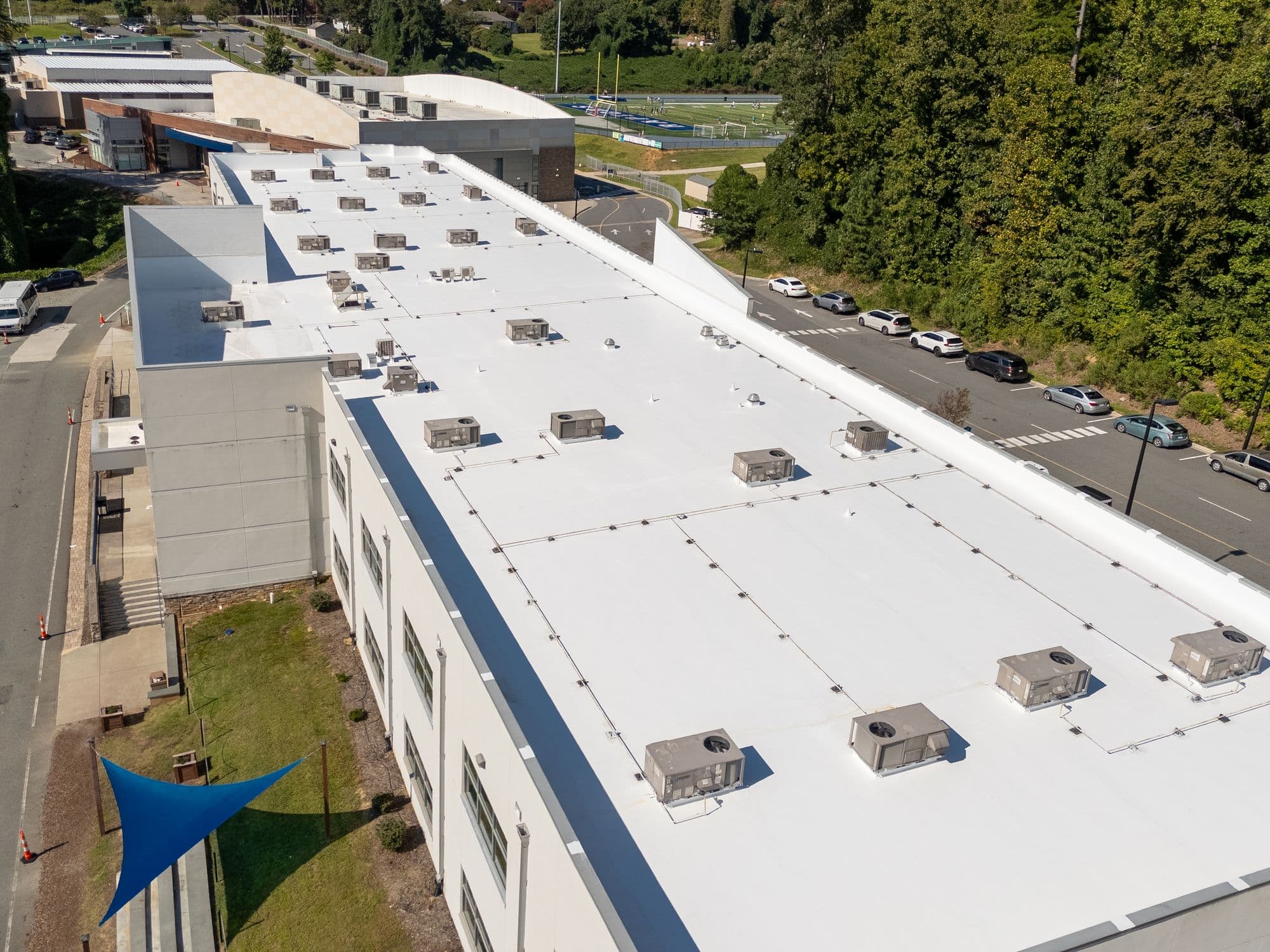
Whether you are planning a ground-up office building, a restaurant build-out, a medical clinic, a commercial upfit, or a warehouse expansion, our team has the licensing, experience, and project management systems to deliver your commercial construction project on time, on budget, and to the quality standard your business deserves. We also offer specialized roof coating services through our We Coat division for commercial buildings that need roof restoration rather than full replacement.
Charlotte’s Commercial Construction Market in 2026
Charlotte is the 15th largest city in the United States and the largest city in North Carolina. The metro area is home to over 2.7 million people and continues to grow at a rate of roughly 50,000 new residents per year. That population growth drives demand for commercial space across every sector: offices for the financial services and technology companies that are relocating here, retail spaces to serve new neighborhoods, restaurants to feed a city that loves to eat out, and medical facilities to care for a growing and aging population.
The Charlotte commercial real estate market remains strong heading into 2026. According to commercial real estate data, the Charlotte metro has over 190 million square feet of office space, 175 million square feet of industrial space, and 90 million square feet of retail space. New commercial development continues along I-77, I-85, and the I-485 loop, with particular growth in South Charlotte, Lake Norman, and the Fort Mill/Indian Land corridor across the state line.
Charlotte added over 40,000 jobs in 2025, with the strongest growth in healthcare, technology, and professional services. Each of these sectors requires specialized commercial construction, from medical exam rooms with infection control systems to open-concept tech offices with advanced networking infrastructure. For a comprehensive overview of the local market and what to expect when building commercial in Charlotte, read our complete commercial construction guide.
For business owners, this growth means opportunity, but it also means competition for quality contractors. The best commercial construction companies in Charlotte are booked months in advance. Starting your planning early and choosing a contractor with a proven track record is critical to staying on schedule and within budget. The demand for commercial space shows no signs of slowing, which means construction costs will continue to be influenced by labor availability and material pricing in the Charlotte market.
Types of Commercial Construction We Handle
We Build handles commercial construction projects of all sizes and types across the Charlotte metro area. Whether you are building from the ground up or renovating an existing space, our team has the experience and licensing to deliver your project. Here is a detailed look at the commercial project types we specialize in. For projects that involve renovating an existing commercial space rather than new construction, see our commercial upfits page for more specific information.
Office Buildings
New builds, expansions, and full renovations for modern workspaces. Open-concept layouts, private offices, conference rooms, and reception areas designed for productivity.
We handle everything from single-tenant professional offices to multi-story corporate buildings. We work closely with your architect and design team to ensure architecture, engineering, and construction are coordinated seamlessly, eliminating the communication gaps that cause delays. Whether you need a 1,500-square-foot professional suite or a 50,000-square-foot corporate headquarters, we bring the same attention to detail and project management discipline to every office construction project in Charlotte. Our office builds incorporate modern infrastructure including structured cabling for high-speed networking, energy-efficient HVAC zoning, and LED lighting systems that reduce operating costs from day one.
Retail Spaces
Storefronts, shopping centers, and retail build-outs that drive foot traffic. Custom displays, fitting rooms, storage, and point-of-sale areas.
Retail construction demands speed. Every day your doors are closed is revenue lost. We specialize in fast-track retail schedules that get Charlotte businesses open on time, with the fit-and-finish that attracts customers. Our retail construction experience spans boutique shops in South End to anchor tenant spaces in suburban shopping centers. We understand the unique requirements of retail: ADA-compliant entries and fitting rooms, security system infrastructure, high-visibility storefront glazing, durable flooring that handles heavy foot traffic, and efficient back-of-house storage layouts that maximize your selling floor.
Restaurants & Food Service
Full restaurant build-outs including commercial kitchens, dining rooms, bar areas, outdoor patios, and health department-compliant infrastructure.
Restaurant construction is one of the most complex commercial project types. Grease traps, hood ventilation, fire suppression, walk-in coolers, plumbing for multiple stations, and ADA compliance all need to be coordinated precisely. Our team has built restaurants from fast-casual to fine dining across the Charlotte metro. We coordinate closely with kitchen equipment vendors to ensure rough-in dimensions match final equipment specs exactly, preventing costly rework. Our restaurant projects consistently pass Mecklenburg County health department inspections on the first visit, because we build to code from the first day of construction.
Medical & Dental Facilities
Healthcare spaces built to meet strict compliance, infection control, and safety standards. Exam rooms, imaging suites, labs, and patient areas.
Medical construction requires expertise in HVAC systems for air pressure control, lead-lined walls for radiology, specialized plumbing, and strict adherence to building codes for healthcare occupancy. We coordinate with equipment vendors and regulatory bodies to ensure your facility passes inspection on the first attempt. Our healthcare construction portfolio includes urgent care clinics, dental practices, physical therapy centers, specialty medical offices, and veterinary facilities. Each project type has unique requirements, from medical gas systems in surgical suites to the specialized flooring that meets infection control standards in exam rooms.
Industrial & Warehouse
Warehouse construction, distribution centers, light industrial facilities, and manufacturing spaces built for operational efficiency.
From concrete slab work and steel erection to loading docks, overhead doors, and climate-controlled storage, we build industrial spaces that support your operations. Our Charlotte-area warehouse projects include distribution centers, flex spaces, and light manufacturing facilities. We design warehouse spaces with your workflow in mind, optimizing dock door placement, clear heights, column spacing, and office-to-warehouse ratios. Whether you need a simple shell building or a fully climate-controlled distribution facility with mezzanine office space, we have the experience to deliver industrial construction projects that support your logistics and operations.
Mixed-Use Developments
Multi-purpose buildings combining retail, office, and other commercial spaces. Complex projects requiring coordination across multiple use types.
Mixed-use construction demands a contractor who understands different building codes, fire separations between occupancy types, separate utility metering, and the coordination required when retail, office, and other uses exist in the same structure. We have the experience to deliver these complex projects in Charlotte. Mixed-use developments require navigating overlapping code requirements, coordinating separate mechanical systems for different occupancy types, and managing the phased delivery schedules that allow retail tenants to open while upper floors are still under construction. Our project management systems are built for this level of complexity.
Ready to discuss your commercial construction project in Charlotte? We provide free consultations.
Get a Free ConsultationCommercial Construction Costs in Charlotte (2026)
One of the most common questions we hear from Charlotte business owners is: “How much does commercial construction cost?” The honest answer is that it depends on your project type, scope, finishes, and site conditions. However, we can provide realistic cost ranges based on our experience building commercial projects in the Charlotte market. Understanding these ranges helps you plan a realistic budget and have more productive conversations with lenders, landlords, and contractors.
The table below shows current pricing ranges for common commercial construction project types in the Charlotte metro area. These ranges include labor, materials, permits, and general contractor overhead. They do not include furniture, fixtures, equipment (FF&E), or architectural/engineering fees, which typically add 8-15% to the total project cost.
| Project Type | Cost per Sq Ft | Typical Timeline |
|---|---|---|
| Office Upfit (Standard) | $50-$120 | 3-4 months |
| Office Upfit (High-End) | $120-$175 | 3-5 months |
| Retail Build-Out | $75-$200 | 3-5 months |
| Restaurant Build-Out | $150-$350 | 5-8 months |
| Medical/Dental Office | $150-$400 | 4-8 months |
| Warehouse (Shell + Office) | $80-$200 | 6-10 months |
| Ground-Up Office Building | $200-$400+ | 10-18 months |
| Mixed-Use Development | $200-$450+ | 12-24 months |
Value engineering can save 10-20% on total project costs. By identifying cost-effective alternatives for materials and methods early in the planning phase, you reduce expenses without sacrificing quality. Ask us about our value engineering process for your commercial project.
What Drives Commercial Construction Costs in Charlotte?
Several factors influence the final cost of your commercial construction project in Charlotte. Understanding these factors helps you plan a realistic budget and avoid surprises during construction.
- Project type and complexity. A standard office upfit with drywall, carpet, and paint is far less expensive than a restaurant requiring commercial kitchen ventilation, grease traps, and fire suppression systems. Medical facilities that need specialized HVAC for air pressure control or lead-lined walls for radiology cost more per square foot than general office space.
- Finish level. The gap between builder-grade finishes and high-end finishes can be 50-100% of the base cost. Polished concrete is cheaper than hardwood flooring. Standard drywall ceilings cost less than exposed structural ceilings with custom lighting. We help you understand the full range of finish options and how selections affect your budget.
- Site conditions. Existing building conditions matter significantly. An older building may need electrical panel upgrades, structural reinforcement, asbestos abatement, or ADA accessibility improvements that are not immediately obvious. A thorough site assessment before bidding prevents expensive surprises later. This is why our process always begins with a detailed site evaluation.
- Location within Charlotte. Construction costs vary by location. Projects in Uptown Charlotte or South End may face higher labor costs due to parking challenges, restricted delivery windows, and urban site logistics. Suburban locations like Ballantyne, Fort Mill, or Lake Norman typically have lower site-related costs.
- Current market conditions. Material costs fluctuate based on supply chain conditions and demand. Labor availability also affects pricing. In Charlotte, the strong construction market means skilled tradespeople are in high demand, which can impact scheduling and costs. Planning ahead and booking your contractor early helps lock in favorable pricing.
- Permitting and code requirements. Mecklenburg County building codes, fire codes, and zoning regulations all affect construction scope and cost. Projects in historic districts or those requiring special zoning variances may have additional costs and longer timelines.
Budgeting Tips for Commercial Construction in Charlotte
Based on our experience building commercial projects across the Charlotte metro, here are practical budgeting recommendations that help business owners avoid common financial pitfalls:
- Budget a 10-15% contingency. Even the best-planned projects encounter surprises. Hidden conditions in existing buildings, material price increases, or minor scope changes are normal. A contingency fund prevents these from derailing your project or forcing you to cut corners on finishes.
- Get detailed estimates, not lump-sum bids. Line-item estimates allow you to compare contractors accurately, understand where your money goes, and make informed decisions about where to invest or save. We provide detailed breakdowns for every project.
- Factor in soft costs. Architectural and engineering fees, permit fees, furniture and equipment, technology infrastructure, moving costs, and temporary space rental during construction are all expenses that exist outside the construction contract but affect your total project budget.
- Consider phased construction. If your budget is tight, we can help you plan a phased approach that builds the essential spaces first and adds secondary areas later. This is common with growing businesses that need to open quickly but plan to expand within their lease.
Our 9-Step Commercial Construction Process
Every commercial construction project at We Build follows a proven nine-step process. This structured approach ensures your project stays on schedule, on budget, and meets your quality expectations from initial consultation through final handover.
Initial Consultation
Every project starts with a conversation. We meet with you to understand your business needs, timeline, budget range, and vision for the space. This initial meeting is free and comes with no obligation. We listen first, then provide honest feedback about feasibility, approximate costs, and realistic timelines. We work closely with your architect and design team to ensure a seamless build process.
Site Evaluation & Due Diligence
Before we estimate, we evaluate your site thoroughly. For existing buildings, this means assessing structural conditions, electrical capacity, plumbing infrastructure, HVAC systems, and ADA compliance. For ground-up projects, we review soil conditions, utility access, grading requirements, and zoning regulations. This due diligence prevents the expensive surprises that derail budgets and timelines.
Permitting & Approvals
We prepare and submit all required permits to the City of Charlotte, Mecklenburg County, or the applicable jurisdiction. This includes building, mechanical, electrical, plumbing, fire, and sign permits. Our familiarity with local code officials helps us submit clean applications that get approved on the first review, avoiding the resubmission cycle that can add weeks to your schedule.
Pre-Construction Planning
With permits in hand, we finalize the construction schedule, order long-lead materials, coordinate subcontractor schedules, and establish communication protocols. You receive a detailed project timeline showing every milestone from demolition to certificate of occupancy. We identify and order long-lead items early so material delays do not become schedule delays.
Foundation & Structural Work
For ground-up construction, this phase includes site preparation, foundation work, structural steel or wood framing, and building envelope installation. For upfit projects, this covers demolition of existing finishes, structural modifications, and framing for new walls and rooms. Every structural element is inspected and approved before we move to the next phase.
Mechanical, Electrical & Plumbing
Rough-in of all building systems happens in a carefully coordinated sequence. HVAC ductwork, electrical wiring, plumbing lines, fire sprinkler modifications, and low-voltage cabling (data, security, audio-visual) are installed and inspected. For specialized spaces like commercial kitchens or medical facilities, this phase requires precision coordination with equipment vendors.
Finishes & Interior Build-Out
Drywall, painting, flooring, ceilings, cabinetry, countertops, lighting fixtures, plumbing fixtures, and all interior finishes are installed. This is where your space transforms from a construction site into the environment you envisioned. Our quality control process includes inspections at every stage to ensure workmanship meets our standards before moving forward.
Final Inspections & Punch List
We conduct a thorough internal quality inspection before requesting final inspections from the City of Charlotte or Mecklenburg County. Building, mechanical, electrical, plumbing, and fire inspections must all pass before a certificate of occupancy is issued. We walk the space with you to create a punch list of any items that need attention, and we complete every item before handover.
Project Handoff & Warranty
The final step is a complete project handover. You receive all operation manuals, warranty documentation, as-built drawings, and maintenance guidelines for every system in your new space. We walk you through HVAC controls, electrical panels, and any specialized equipment. After handover, we provide responsive warranty support because we are a local Charlotte company that stands behind its work.
Why Choose We Build for Commercial Construction
Charlotte has dozens of commercial contractors. Here is why business owners, property managers, and developers choose We Build for their commercial construction projects. Visit our portfolio to see the results, or learn more about our company.
Veteran & Family-Owned
We Build was founded on the values of service, integrity, and craftsmanship. As a veteran and family-owned company, we bring military-grade discipline to project management and a family commitment to treating every client like a neighbor. Our reputation in the Charlotte community is built on decades of handshake-quality relationships, and we protect that reputation on every project.
Licensed in NC & SC
We hold active general contractor licenses with both the North Carolina Licensing Board for General Contractors and the South Carolina Contractors Licensing Board. This dual licensing allows us to serve the entire Charlotte metro area seamlessly, including projects in Fort Mill, Indian Land, Rock Hill, and other communities across the state line.
Single Point of Contact
Every project is assigned a dedicated project manager who serves as your single point of contact from groundbreaking to handover. You will never be passed between departments or left wondering who to call. Our project managers provide weekly written updates, maintain shared photo documentation, and are available by phone during business hours.
USGBC Member - Sustainable Building
As a proud member of the U.S. Green Building Council, sustainable building practices are integrated into every project. From energy-efficient HVAC systems and LED lighting to low-VOC materials and waste reduction protocols, we help Charlotte businesses build spaces that are better for occupants and the environment without compromising performance or budget.
Transparent, Line-Item Pricing
We provide detailed, line-item estimates that show exactly where every dollar goes. No hidden fees, no vague allowances, no surprise change orders. Our transparent pricing approach means you can compare bids accurately, make informed decisions about scope adjustments, and maintain confidence in your budget throughout the construction process.
60+ Years Combined Experience
Our leadership team brings over 60 years of combined construction experience to every project. That experience translates into better problem-solving, more accurate estimating, stronger subcontractor relationships, and the ability to anticipate issues before they become expensive problems. Experience is the difference between a project that finishes on time and one that does not.
Industries We Serve with Commercial Construction
Every industry has unique construction requirements. Our 60+ years of combined experience span healthcare compliance, restaurant kitchen systems, retail storefront design, and industrial logistics. Here are the industries we serve most frequently in the Charlotte metro area.
Healthcare & Medical
Urgent care clinics, dental practices, physical therapy centers, specialty medical offices, imaging centers, and veterinary facilities. We understand healthcare construction compliance requirements including infection control, medical gas systems, lead-lined walls, and specialized HVAC for pressure-controlled environments.
Retail & Shopping
Boutique shops, national chain stores, shopping center anchor tenants, showrooms, and specialty retail spaces. Our fast-track retail schedules minimize lost revenue by getting your doors open on time with the customer-facing quality that drives foot traffic and sales.
Hospitality & Food Service
Restaurants, bars, breweries, cafes, bakeries, food halls, and catering facilities. We have deep experience with commercial kitchen construction, health department compliance, hood ventilation, grease traps, walk-in coolers, and the specialized plumbing and electrical systems that food service demands.
Professional Services
Law firms, accounting offices, financial services, insurance agencies, real estate offices, and coworking spaces. We build professional environments that project credibility to your clients while creating productive, comfortable workplaces for your team.
Industrial & Logistics
Distribution centers, flex spaces, light manufacturing, cold storage, and warehouse facilities. From concrete slab work and steel erection to loading docks and climate-controlled storage, we build industrial spaces optimized for your specific operational workflow.
Religious & Nonprofit
Churches, community centers, nonprofit offices, and event spaces. We work with religious and nonprofit organizations to maximize the impact of every construction dollar, creating spaces that serve their communities with quality materials and thoughtful design within budget constraints.
Education & Childcare
Daycare centers, tutoring facilities, private schools, and training centers. Educational construction requires specific safety standards, age-appropriate design, proper egress planning, and compliance with state licensing requirements for childcare and educational occupancy.
Looking for a commercial contractor who understands your industry? Tell us about your project and we will show you relevant examples from our portfolio.
Get a Free ConsultationCommercial Construction Permits & Regulations in Charlotte
Every commercial construction project in Charlotte requires permits from the local jurisdiction, which is typically the City of Charlotte or Mecklenburg County. For projects in Fort Mill or York County, South Carolina permitting applies. Understanding the permitting process upfront helps you plan realistic timelines and avoid costly delays. As your general contractor, we manage this entire process on your behalf.
Types of Permits Required
Most commercial projects require multiple permits, which can be submitted simultaneously to shorten the overall timeline:
- Building permit. Required for all construction that involves structural changes, new walls, or changes to the building envelope. This is the primary permit and the one that takes the longest to review.
- Mechanical permit. Required for HVAC installation, ductwork modifications, and ventilation systems. Commercial kitchens and medical facilities typically have more complex mechanical requirements.
- Electrical permit. Required for new circuits, panel upgrades, lighting installations, and low-voltage systems (data, security, fire alarm).
- Plumbing permit. Required for new fixtures, pipe modifications, grease traps, and medical gas systems.
- Fire permit. Required for fire sprinkler modifications, fire alarm installations, and commercial kitchen hood suppression systems.
- Sign permit. Required for exterior signage, which has its own regulations regarding size, lighting, and placement based on your zoning district.
Charlotte Permitting Timeline
As of 2026, the commercial permitting timeline in Mecklenburg County typically runs 4-8 weeks from submission to approval. Simple projects (minor upfits with no structural changes) may be reviewed faster through expedited review. Complex projects (restaurants, medical facilities, or projects requiring zoning variances) may take longer. We factor permitting timelines into every project schedule so you have a realistic opening date from day one.
Building Codes and Compliance
Charlotte commercial construction projects must comply with the North Carolina State Building Code, which adopts the International Building Code (IBC) with state-specific amendments. Key compliance areas include structural integrity, fire safety and egress, energy efficiency (NC Energy Conservation Code), accessibility (ADA and NC Accessibility Code), and mechanical, electrical, and plumbing systems. For businesses in specific industries, additional regulations apply. Restaurants must meet Mecklenburg County Health Department standards. Medical facilities must comply with healthcare-specific codes. Childcare facilities must meet state licensing construction requirements.
We manage all code compliance as part of our standard service. Our experience with Mecklenburg County code officials and inspectors helps us submit clean permit applications that are approved on the first review whenever possible, avoiding the resubmission cycle that can add weeks to your timeline.
How to Choose a Commercial Contractor in Charlotte
Choosing the right commercial construction company in Charlotte is one of the most important decisions you will make for your project. The wrong contractor can cost you months of delays, thousands in change orders, and a finished product that does not meet your expectations. Here are the criteria that matter most when evaluating commercial contractors in the Charlotte market.
- Licensing. Verify that the contractor holds an active general contractor license with the NC Licensing Board for General Contractors. If your project is in South Carolina (Fort Mill, Indian Land, Rock Hill), they also need an SC Contractors Licensing Board license. Ask for license numbers and verify them online.
- Insurance. Require proof of general liability insurance ($1 million minimum), workers compensation coverage, and commercial auto insurance. Without adequate insurance, you could be liable for injuries or property damage on your job site.
- Commercial experience. Not every contractor is qualified to build a medical office or restaurant. Ask for references and photos from projects similar to yours. Experience with your specific project type matters.
- Financial stability. Commercial construction projects can run into the hundreds of thousands or millions of dollars. Your contractor needs the financial capacity to fund materials and labor before drawing on your construction loan. Ask about their bonding capacity and banking relationships.
- Communication style. During construction, you will interact with your contractor weekly or even daily. Choose a contractor whose communication style matches your expectations. We provide weekly written updates, maintain a shared photo log, and make our project managers available by phone during business hours.
- Local market knowledge. A Charlotte-based contractor understands Mecklenburg County permitting timelines, local subcontractor availability, material lead times from regional suppliers, and the specific building codes that apply to your project location.
Ask potential contractors for a detailed, line-item estimate rather than a single lump-sum number. Line-item estimates let you compare bids accurately, understand where your money is going, and identify areas where you might adjust scope to fit your budget. We provide line-item estimates on every project as standard practice.
Recent Commercial Projects in Charlotte
See examples of our commercial construction work across the Charlotte metro area. Visit our full portfolio for more projects.
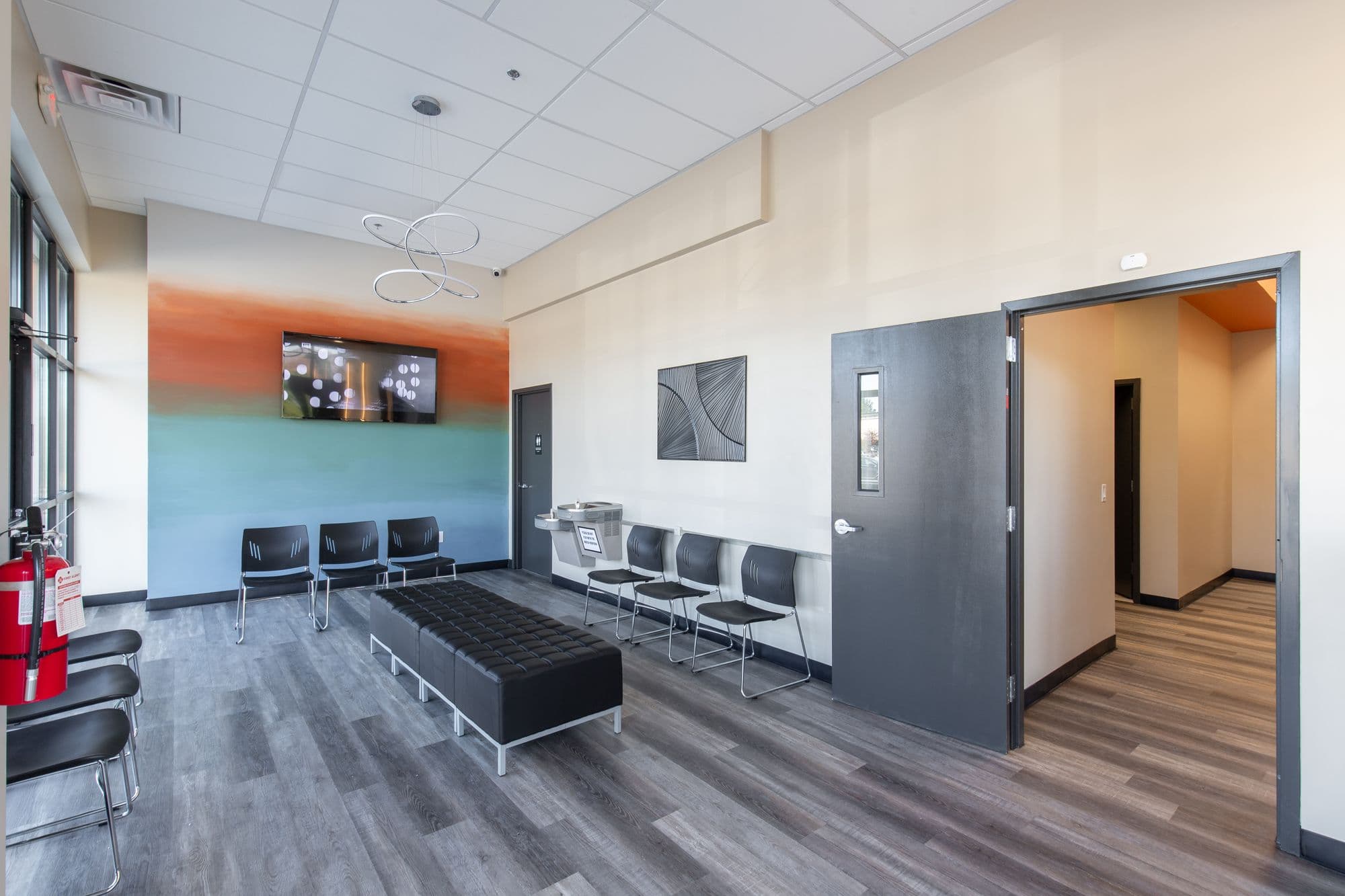
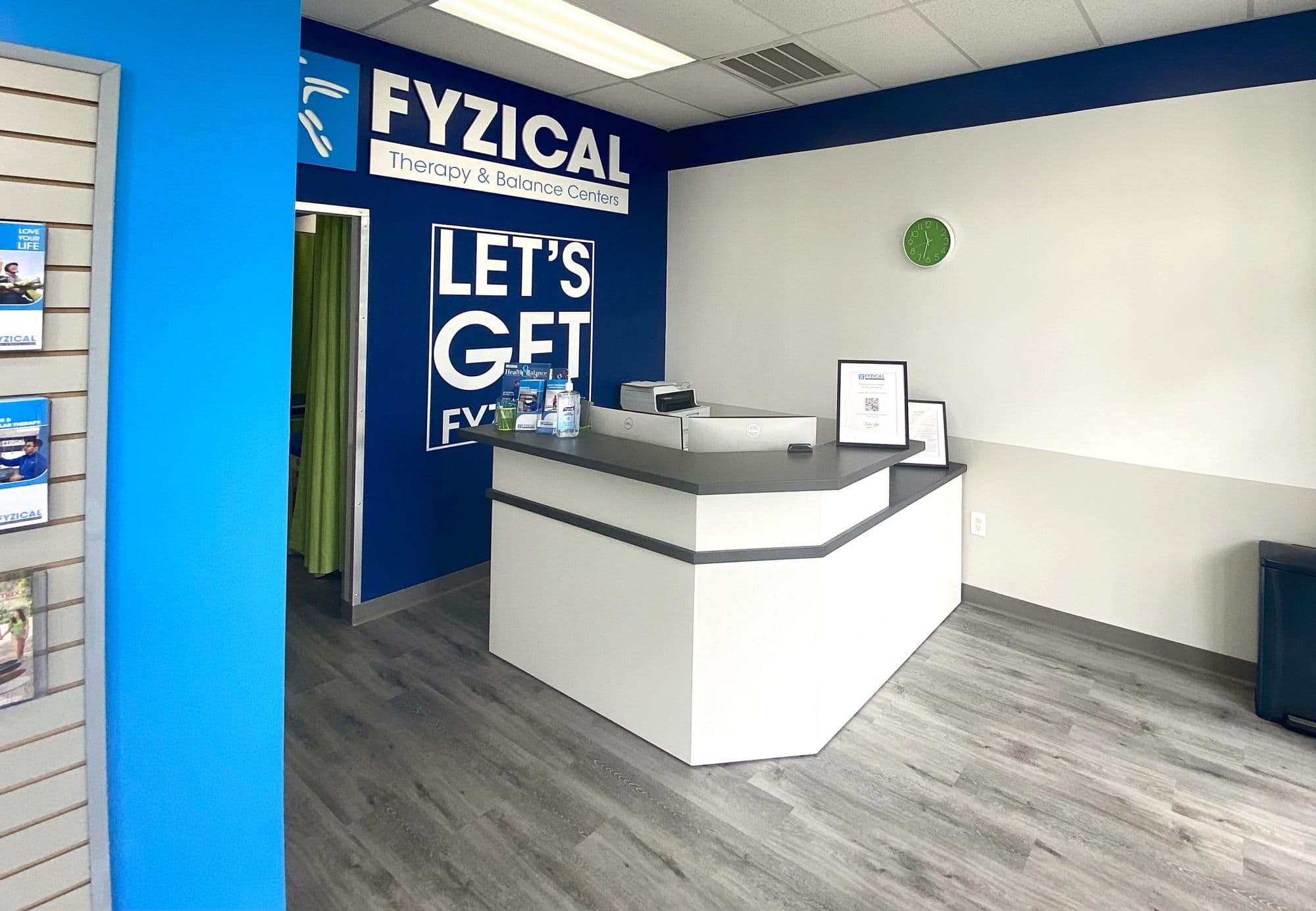
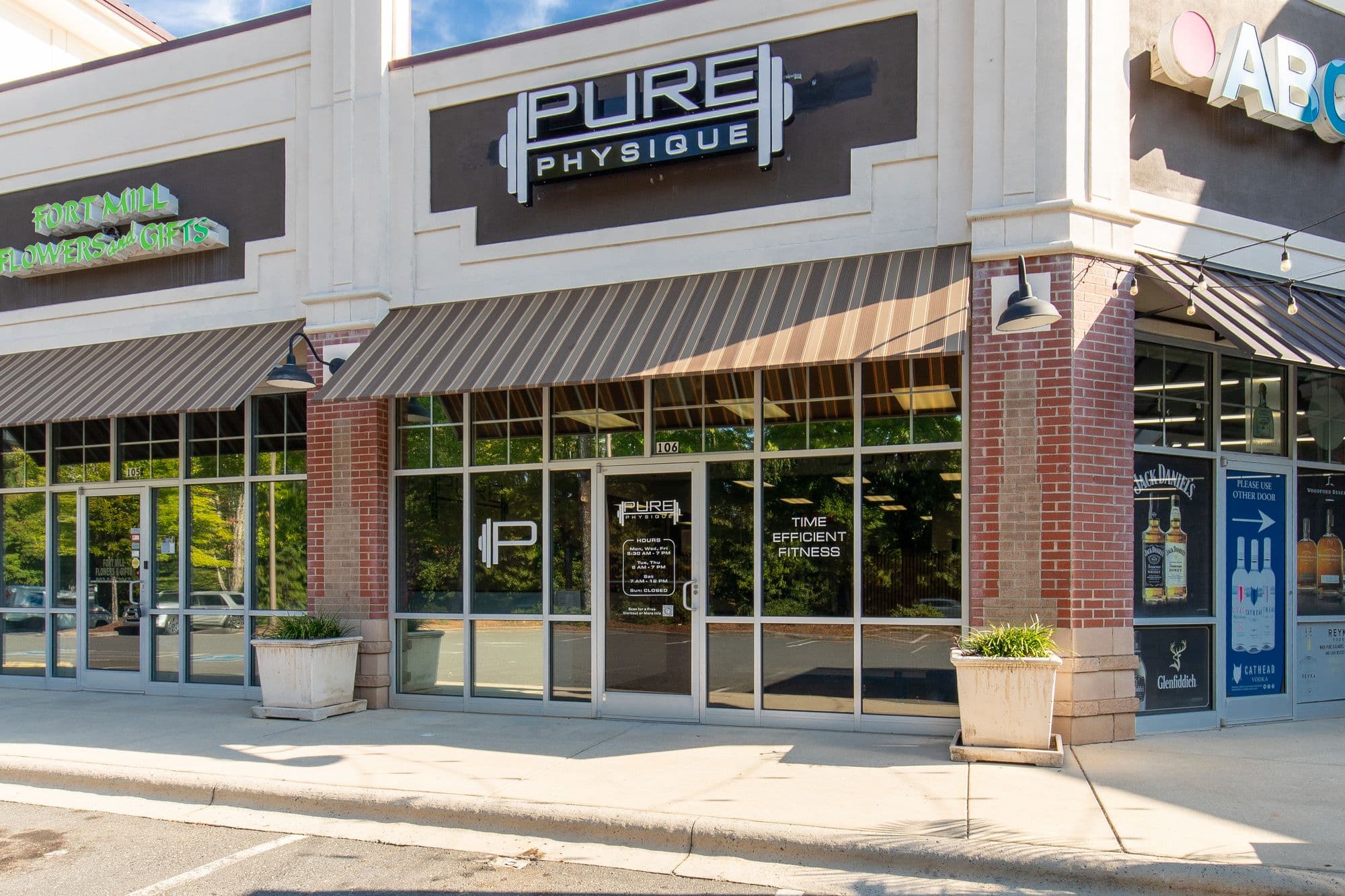
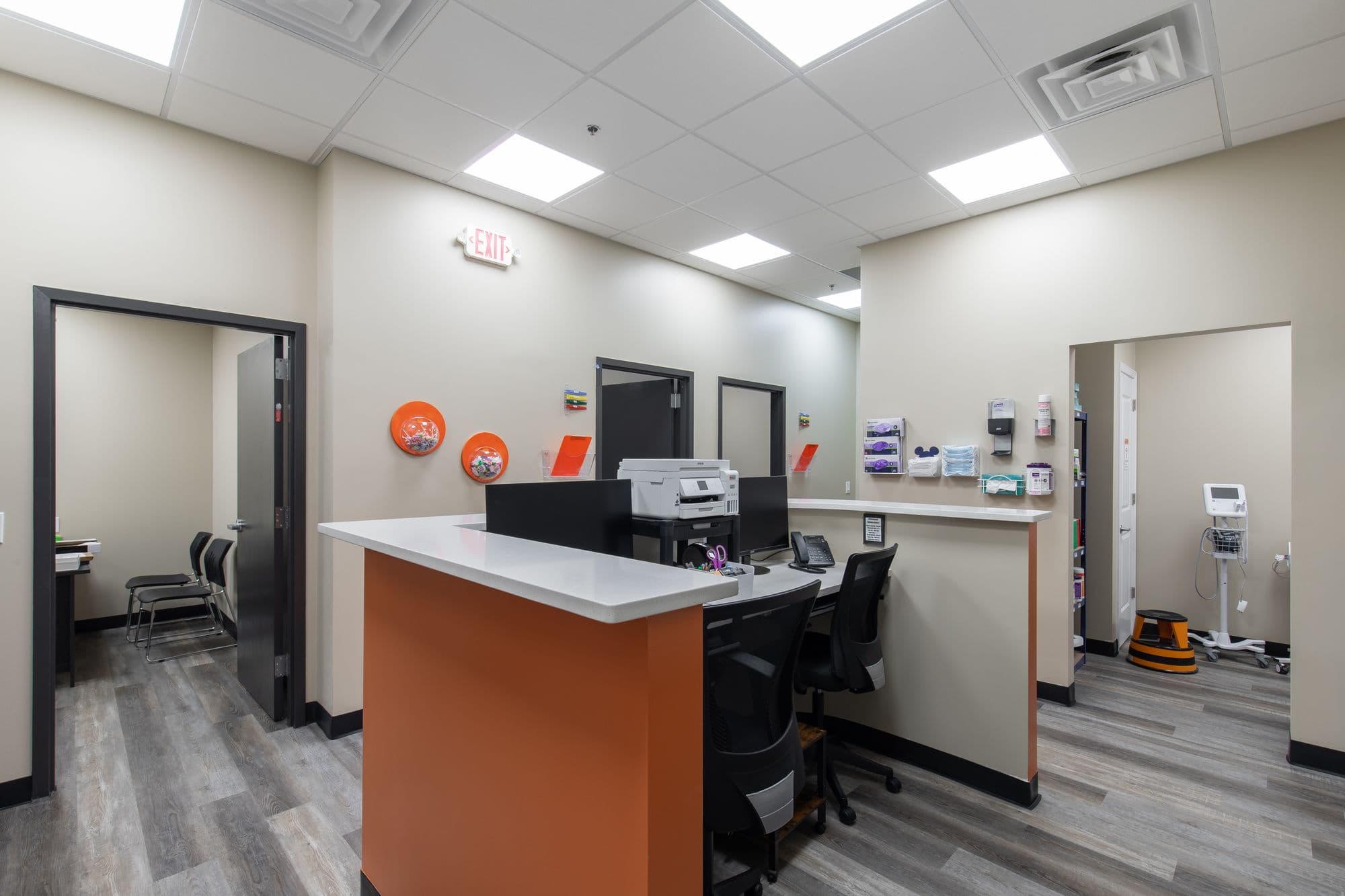
“We Build transformed our vision into reality. Their attention to detail and commitment to quality exceeded our expectations. The team was professional, communicative, and delivered on time and within budget. We highly recommend We Build for any construction project.”
Commercial Construction FAQ
Answers to the questions Charlotte business owners ask most about commercial construction, costs, timelines, permits, insurance, green building, and working with a general contractor.
Does We Build provide commercial construction in Raleigh NC and the Research Triangle?
Yes. We Build is a licensed North Carolina general contractor providing commercial construction services in Raleigh, Cary, Morrisville, Research Triangle Park, and greater Wake County. Our NC commercial construction license covers ground-up office buildings, retail, restaurants, medical offices, warehouses, and mixed-use developments across the Raleigh metro. While We Build is headquartered in Charlotte, Raleigh projects are handled by our structured project-management system with local trade partnerships established during pre-construction. Call (980) 471-0427 for a free Raleigh commercial construction consultation.
How much does commercial construction cost per square foot in Raleigh NC?
Commercial construction costs in Raleigh generally run slightly higher than Charlotte for specialty trades due to Research Triangle tech-sector demand. Typical Raleigh commercial construction costs in 2026: office upfits $60-$185 per square foot, retail build-outs $75-$210 per square foot, restaurant construction $150-$375 per square foot, medical facilities $160-$420 per square foot, and ground-up commercial starts around $210 per square foot and can exceed $425 for complex builds. We provide detailed line-item estimates for every Raleigh commercial project.
Does We Build handle commercial construction in Durham NC and the Research Triangle?
Yes. We Build is a licensed North Carolina general contractor providing commercial construction services throughout Durham NC - including Downtown Durham, the American Tobacco District, the Duke University area, Ninth Street, Brightleaf, Southpoint, and the Durham County portion of Research Triangle Park. Our NC license covers ground-up commercial buildings, office, retail, restaurants, medical and life-sciences facilities, adaptive reuse of historic tobacco and textile shells, and mixed-use developments across Durham County. Durham projects are coordinated from our Charlotte office with local Triangle-area trade partnerships established during pre-construction, and we have specific experience with Duke / institutional construction standards and life-sciences / lab build-out requirements. Call (980) 471-0427 for a free Durham commercial construction consultation.
What types of commercial construction does We Build handle in Charlotte?
We Build handles all types of commercial construction across the Charlotte metro area including ground-up office buildings, retail spaces, restaurants, medical and dental facilities, warehouses, industrial buildings, mixed-use developments, and commercial renovations. Our NC and SC general contractor licenses allow us to work throughout the greater Charlotte region including Fort Mill, Lake Norman, and surrounding counties.
How much does commercial construction cost in Charlotte, NC in 2026?
Charlotte commercial construction costs in 2026, by type: office upfits $50-$175/sqft, retail build-outs $75-$200/sqft, restaurants $150-$350/sqft (kitchen exhaust, grease trap, sprinkler upgrades push the high end), medical $150-$400/sqft, ground-up office $200-$400+/sqft. The wide ranges are real - finish level, MEP intensity, and existing-building condition swing the number a lot. A site walk plus a written line-item proposal will give you a number you can underwrite against, not a guess.
How long does commercial construction take in Charlotte?
Timelines depend on project scope. Standard office upfits take 3-5 months. Retail build-outs average 3-5 months. Restaurant construction requires 5-8 months. Medical facilities take 4-8 months. Ground-up commercial buildings range from 10-18 months. The Mecklenburg County permitting process typically adds 4-8 weeks before construction can begin. We provide a detailed timeline during the pre-construction phase.
Do you handle commercial building permits in Mecklenburg County?
Yes - we own the permitting from start to CO. That covers Mecklenburg County and City of Charlotte (Accela), plus the surrounding jurisdictions our work hits regularly: Huntersville, Matthews, Mint Hill, Pineville, Cornelius, and Davidson. On the SC side that means Fort Mill, Tega Cay, and the rest of York County. We pull building, mechanical, electrical, plumbing, fire, zoning, sign, and CO permits, and we coordinate the fire marshal review separately because that one trips up most projects if it is not pre-coordinated. If a permit reviewer has a comment, we respond inside 48 hours - sitting on review comments is the #1 reason commercial projects miss their open date.
Are you a licensed and insured commercial contractor in North Carolina?
Yes. NC General Contractor license #85107 (verifiable at nclbgc.org), SC General Contractor license #122817. Insurance: general liability, workers comp on every employee, builder risk on active projects, commercial auto. We are USGBC members and our drone pilot is FAA Part 107 certified for thermal roof inspections. If your landlord, lender, or bonding company needs a COI, email designcenter@webuildclt.com and we send it the same day.
What financing options are available for commercial construction projects?
Most commercial construction projects are financed through commercial construction loans from banks or SBA loans for small business owners. Some landlords provide tenant improvement allowances for commercial upfits. We work with your lender to provide the documentation they require, including detailed cost breakdowns, draw schedules, and progress certifications. We can recommend local lenders experienced with construction financing.
How do you handle ADA compliance in commercial construction?
We build to the 2010 ADA Standards for Accessible Design and the 2018 NC Building Code accessibility chapter, whichever is stricter. The items we flag and detail every single time: 32-inch clear door widths, 5-foot turning radius in restrooms, lavatory and grab-bar mounting heights, threshold transitions kept to 1/2-inch max, parking stall counts and van-accessible signage, ramp slopes at 1:12 max, and counter sections at 34-inch height for service desks. On existing-building work we walk the space with a checklist before pricing so you are not surprised by an ADA punch list at CO. We do not treat compliance as a finish-out item - skipping it gets you a Title III lawsuit, which costs more than just doing it right.
Do you incorporate green building practices into commercial projects?
We are a USGBC member and we will pursue LEED certification when an owner wants it (we have run BD+C v4.1 packages), but most of our commercial clients want the energy savings without the LEED paperwork. The moves that actually move the needle on operating cost: high-SEER VRF or VAV with economizer, LED with daylight-harvesting controls (typically 35-45% lighting load reduction vs. T8 fluorescent), R-30 roof assemblies on retrofit, low-flow fixtures at 1.28 GPF / 0.5 GPM, and reflective roof coating which drops cooling load 15-25% on a flat-roof building. Specific products we have spec'd on commercial work: Carrier i-Vu controls, Cree CR-series LED panels, GAF EnergyGuard polyiso, GE Series 1 hi-efficiency rooftops. We will tell you the payback period before you spend the money.
What warranty do you provide on commercial construction work?
One-year workmanship warranty on every commercial project, covering defects in materials and labor that we are responsible for. Manufacturer warranties on installed systems run separately - HVAC equipment usually 5-10 years, commercial roofing 10-20 years, silicone roof coatings 20 years (No Dollar Limit), electrical gear 5+ years, depending on brand and spec. We are local, so when you call about a warranty issue, you talk to the same PM who built the job. We do not subcontract warranty service to a third-party hotline.
How does commercial construction cost in Charlotte compare to Raleigh or Atlanta?
Charlotte commercial construction costs are generally 5 to 15 percent lower than Atlanta and comparable to Raleigh-Durham. Charlotte benefits from a competitive subcontractor market, lower labor costs than major gateway cities, and efficient permitting through Mecklenburg County. However, Charlotte construction costs have been rising 3 to 6 percent annually due to population growth and sustained demand. Material costs are similar across all three markets since they share Southeast supply chains. We Build provides current, Charlotte-specific pricing on every estimate so you are working with real local numbers, not national averages.
What Mecklenburg County inspections are required during commercial construction?
Commercial construction in Mecklenburg County requires multiple inspections at prescribed milestones. Typical inspections include footing and foundation before concrete pour, rough framing, rough electrical, rough plumbing, rough mechanical and HVAC, fire alarm and sprinkler systems, insulation and energy code compliance, and final building inspection before certificate of occupancy is issued. The fire marshal conducts separate inspections for fire suppression, alarm systems, and egress compliance. Failed inspections require corrections and reinspection, which can delay the schedule. Our project managers coordinate all inspections proactively and ensure each trade is ready before calling for inspection to avoid delays.
Do I need a separate architect or can We Build work with my existing design team?
Most commercial projects require an architect, and we work closely with your architect and design team to ensure a seamless build process. We coordinate engineering, permitting, and construction to keep the project on schedule and on budget. If you do not yet have an architect, we can recommend experienced commercial architects in the Charlotte area who specialize in your project type.
Explore Our Other Services
Commercial Upfits
Tenant improvements and space renovations for existing commercial buildings.
Learn MoreCommercial Renovation
Full building renovation and remodeling for offices, retail, restaurants, and warehouses.
Learn MoreTenant Improvements
TI build-outs and leasehold improvements for office, retail, and medical tenants.
Learn MoreCommercial Construction Resources
Ready to Build Your Commercial Project in Charlotte?
Contact Charlotte’s trusted commercial construction company for a free consultation. Whether you need a ground-up office building, a restaurant build-out, a medical facility, or a warehouse, We Build delivers quality commercial construction on time and on budget.