Hidden Costs in Commercial Construction: What Charlotte Businesses Need to Know
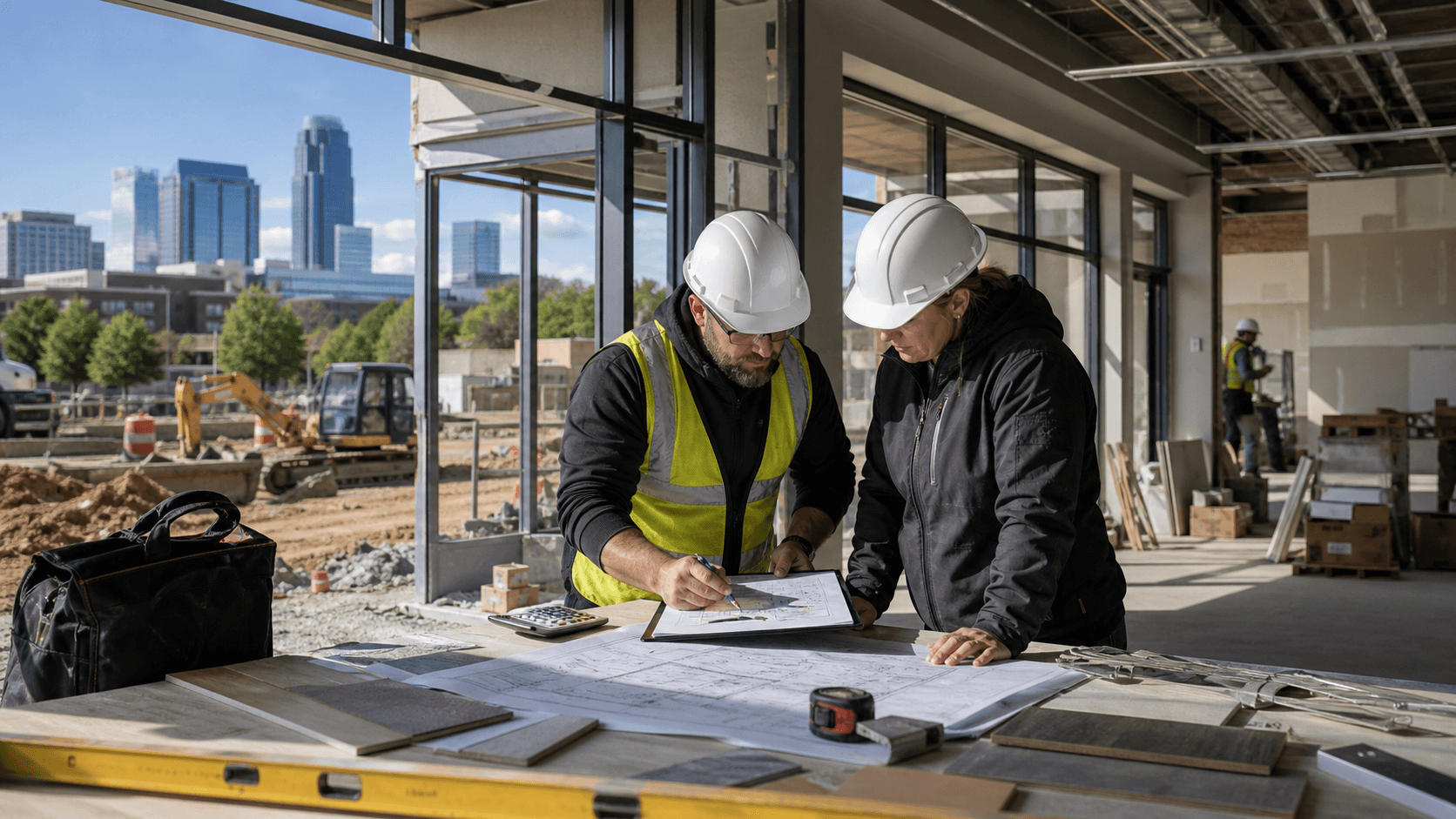
Hidden costs in commercial construction can devastate project budgets and derail timelines. These unexpected expenses, which typically range from 10% to 30% of total project costs according to the Construction Industry Institute, represent one of the biggest challenges facing Charlotte-area businesses embarking on commercial construction projects. As a veteran-owned commercial construction company with over 60 years of combined experience in the Charlotte market, We Build has witnessed firsthand how proper planning and expertise can help businesses avoid these costly surprises.
In Charlotte's competitive construction market, where commercial construction costs average $120-$150 per square foot, hidden expenses can add an additional $12-$45 per square foot to your project. For a typical 10,000 square foot commercial building in South Charlotte, this could mean an unexpected $120,000 to $450,000 in additional costs. Understanding these potential expenses upfront is crucial for making informed decisions about your commercial construction investment.
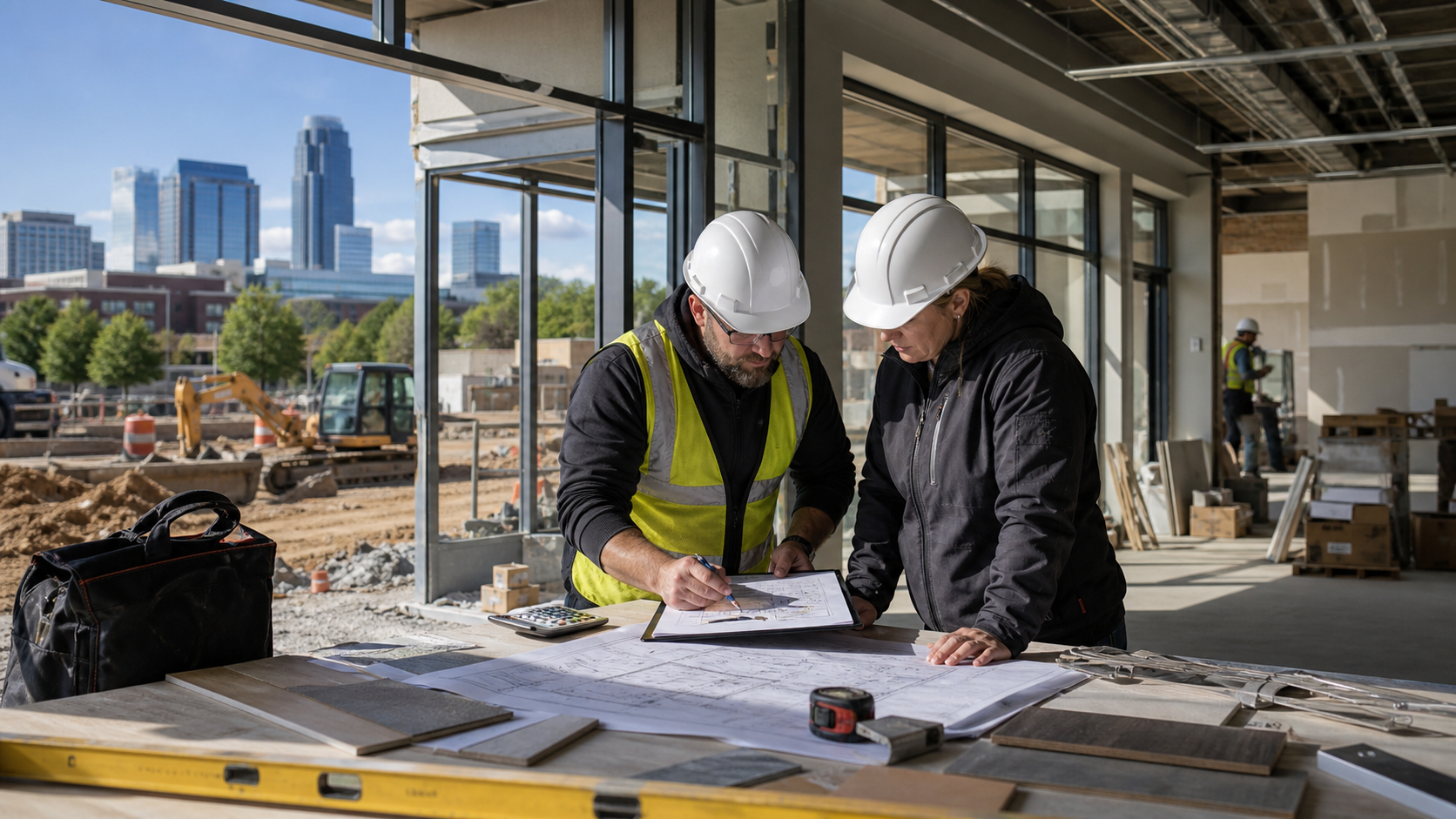
A recent analysis of Charlotte commercial construction projects found that 73% exceeded their initial budgets due to hidden costs. The average cost overrun was 18% of the original budget, with some projects experiencing overruns of 35% or more.
What Are Hidden Costs in Commercial Construction?
Hidden costs in commercial construction are unexpected expenses that arise during a project but weren't accounted for in the initial budget or contract. Unlike obvious costs such as materials and labor, these expenses often emerge from unforeseen site conditions, regulatory requirements, design changes, or market fluctuations. They're called "hidden" because they're difficult to predict without thorough investigation and expertise, yet they're common enough that experienced contractors know to plan for them.
These costs differ from change orders in that they often represent expenses that should have been anticipated with proper planning and investigation. While change orders typically result from client-requested modifications, hidden costs usually stem from inadequate initial planning, insufficient site investigation, or lack of understanding of regulatory requirements in the Charlotte market.
The Most Common Hidden Costs in Charlotte Commercial Construction
Site Preparation and Soil Issues
Charlotte's geological diversity, from the rocky Piedmont region to areas with expansive clay soils, creates significant potential for hidden site preparation costs. Soil conditions can vary dramatically even within a single property in areas like Ballantyne or University City. Poor soil bearing capacity, unexpected rock formations, or contaminated soil can require extensive remediation or specialized foundation work.
Geotechnical surprises are among the most expensive hidden costs, often ranging from $25,000 to $100,000 for commercial projects. In South Charlotte, where development often occurs on previously undeveloped land, soil testing may reveal the need for deep foundations or soil stabilization that wasn't anticipated in the original budget.
A recent warehouse project in Matthews required an additional $85,000 in soil stabilization when geotechnical testing revealed expansive clay soils that weren't identified in preliminary assessments. This represents a 12% increase over the original foundation budget.
Utility Infrastructure and Connections
Utility connections represent a significant source of hidden costs in commercial construction, particularly in rapidly growing areas of Charlotte like Huntersville and Cornelius. The distance from existing utility lines, capacity requirements, and utility company fees can vary substantially from initial estimates.
Electric service upgrades often cost $15,000 to $75,000 more than anticipated, especially for high-demand commercial facilities like restaurants or manufacturing operations. Gas line extensions in developing areas of Charlotte can add $10,000 to $30,000 to project costs, while water and sewer connections may require impact fees that weren't factored into initial budgets.

Permitting and Regulatory Compliance
Charlotte's permitting process, while generally efficient, can produce unexpected costs when projects require additional approvals or modifications. Zoning variances, environmental assessments, or traffic impact studies can add weeks to timelines and thousands to budgets. Fire department requirements for commercial kitchens or industrial facilities often exceed initial estimates, particularly for complex systems in brewery or restaurant construction.
Building code updates can also create hidden costs when projects span multiple months. A code change during construction can require design modifications or upgraded materials that weren't in the original specification.
| Hidden Cost Category | Typical Range | High-End Projects |
|---|---|---|
| Soil Remediation | $25,000 - $75,000 | $100,000+ |
| Utility Upgrades | $15,000 - $45,000 | $75,000+ |
| Permit Delays | $8,000 - $25,000 | $50,000+ |
| Design Changes | $10,000 - $35,000 | $100,000+ |
| Weather Delays | $5,000 - $20,000 | $40,000+ |
Material and Labor Market Fluctuations
Material price volatility has become increasingly significant in commercial construction, with steel prices fluctuating 20-30% within a six-month period. In Charlotte's active construction market, high demand for skilled labor can drive wages up during a project, particularly for specialized trades like electrical and plumbing work.
Lumber prices, while stabilized from recent highs, can still impact projects when timelines extend beyond initial estimates. Roofing materials, crucial for commercial projects, are subject to both raw material costs and seasonal demand fluctuations that can affect projects in areas like Mooresville or Rock Hill.
Experiencing unexpected costs on your commercial construction project? Our experienced team can help you identify and manage hidden expenses before they impact your budget.
Schedule a Free Consultation - (980) 471-1745Change Orders and Scope Creep
While technically not hidden costs, change orders often feel like hidden expenses to clients who underestimate the cumulative impact of small modifications. In commercial upfit projects, particularly in historic buildings in areas like NoDa or Plaza Midwood, discovering existing conditions often necessitates changes that impact both budget and timeline.
Technology infrastructure requirements frequently exceed initial projections, especially for office upfits or restaurant construction. Modern commercial buildings require extensive data cabling, security systems, and electrical capacity that may not have been fully specified in initial plans.
How to Identify Hidden Costs Before They Become Problems
Step 1: Comprehensive Site Investigation
Thorough site investigation is your first line of defense against hidden costs. This includes detailed geotechnical analysis, environmental assessments, and utility surveys. In Charlotte's diverse geological environment, spending $5,000-$15,000 on proper site investigation can prevent $50,000+ in surprises later.
Step 2: Detailed Design Development
Investing in comprehensive design development and construction documents reduces the likelihood of field changes and unexpected costs. Detailed specifications and thorough coordination between architectural, structural, and MEP designs identify potential conflicts before construction begins.
Step 3: Market Research and Pricing Analysis
Understanding current market conditions, material costs, and labor availability in the Charlotte market helps create realistic budgets. This includes researching permit timelines, utility connection requirements, and local regulatory conditions specific to your project location.
Step 4: Contingency Planning
Establishing appropriate contingency reserves based on project complexity, site conditions, and market factors provides a buffer for unexpected costs. Most commercial projects in Charlotte should include a 10-15% contingency for unforeseen expenses.

The Role of Value Engineering in Controlling Hidden Costs
Value engineering represents a systematic approach to optimizing project costs while maintaining quality and functionality. This process involves analyzing each building system and component to identify opportunities for cost reduction without compromising performance. In commercial construction, value engineering can often offset the impact of hidden costs by finding efficiencies in design and material selection.
For example, in warehouse construction projects in areas like Steele Creek, value engineering might identify opportunities to optimize structural systems or mechanical designs that reduce overall project costs. These savings can then absorb unexpected expenses without impacting the bottom line.
Value engineering performed early in the design phase typically yields 5-15% in cost savings on commercial construction projects. These savings often equal or exceed the impact of typical hidden costs, providing natural protection against budget overruns.
Working with an Experienced General Contractor
Selecting a general contractor with extensive Charlotte market experience significantly reduces the risk of hidden costs. Experienced contractors understand local soil conditions, utility requirements, permitting processes, and subcontractor availability. This knowledge enables more accurate initial budgeting and proactive problem-solving.
We Build's 60+ years of combined experience in the Charlotte market provides clients with insights that prevent many common hidden costs. Our team understands the nuances of construction in different Charlotte neighborhoods, from the established areas of South Charlotte to the developing regions around Lake Norman.
The Importance of Transparent Communication
Effective communication between all project stakeholders helps identify potential issues before they become costly problems. Regular project meetings, detailed progress reporting, and open discussion of challenges enable proactive problem-solving rather than reactive crisis management.
Red Flags to Watch For
- Contractors who provide estimates without site visits
- Unusually low bids that seem too good to be true
- Limited local market experience
- Poor communication during the bidding process
- Reluctance to discuss potential challenges
Signs of a Reliable Contractor
- Thorough site investigation before bidding
- Detailed breakdown of costs and assumptions
- Local references and project history
- Transparent communication about challenges
- Appropriate contingency recommendations
Industry-Specific Hidden Costs in Charlotte Commercial Construction
Restaurant and Brewery Construction Hidden Costs
Brewery and restaurant construction projects face unique hidden costs related to specialized equipment, ventilation systems, and health department requirements. Grease trap installations, specialized flooring systems, and fire suppression equipment often cost more than initially estimated. In Charlotte's competitive restaurant scene, tenant improvement allowances may not cover all necessary infrastructure upgrades.
Brewery projects particularly face hidden costs related to utility capacity, drainage systems, and specialized equipment installation. The growing craft beer industry in Charlotte areas like NoDa and South End has created high demand for experienced contractors familiar with these unique requirements.
Warehouse and Industrial Construction Challenges
Warehouse and distribution center construction in Charlotte's logistics hub faces hidden costs related to dock equipment, specialized flooring, and high-bay lighting systems. Clear height requirements may necessitate deeper foundations or specialized structural systems that weren't apparent in initial planning.
Industrial projects often require specialized utility infrastructure, including three-phase power, compressed air systems, or specialized drainage that can significantly exceed initial estimates. Environmental considerations for industrial sites may also require additional permitting or remediation.

Planning a commercial construction project in Charlotte? Let our experienced team help you identify and budget for potential hidden costs from the start.
Get a Free Project ConsultationTechnology Solutions for Managing Hidden Costs
Modern construction technology provides new tools for identifying and managing hidden costs before they impact project budgets. Building Information Modeling (BIM) enables detailed virtual construction that identifies potential conflicts and issues before they occur in the field. This technology is particularly valuable for complex commercial projects like office upfits in existing buildings.
Our thermal drone roof inspection services provide detailed building condition assessments that can identify hidden maintenance issues or structural problems before they become major expenses. This technology is especially valuable for adaptive reuse projects where existing building conditions may not be fully understood.
Project Management Software and Cost Tracking
Advanced project management platforms provide real-time cost tracking and early warning systems for budget overruns. These tools enable proactive management of change orders and help identify trends that might indicate emerging hidden costs.
Investment in construction technology and detailed planning typically returns 3-5 times its cost through avoided hidden expenses and improved project efficiency. For a $1 million commercial project, a $15,000 investment in technology and planning often prevents $45,000-$75,000 in hidden costs.
Financial Strategies for Managing Hidden Costs
Contingency Fund Management
Proper contingency fund management involves more than simply adding a percentage to the project budget. Effective contingency planning considers project-specific risks, market conditions, and historical data from similar projects. In Charlotte's dynamic construction market, contingency funds should be structured to address the most likely sources of hidden costs for each specific project type.
For commercial upfit projects in established buildings, contingency funds should emphasize potential structural or MEP system surprises. New construction projects should focus contingencies on site conditions, utility connections, and permit-related delays.
Budget Phasing and Cash Flow Management
Structuring project budgets and payment schedules to maintain adequate cash reserves throughout construction helps manage the impact of hidden costs when they occur. Rather than depleting reserves early in construction, maintaining financial flexibility enables quick response to unexpected expenses without delaying the project.
| Project Phase | Recommended Contingency | Primary Risk Factors |
|---|---|---|
| Pre-Construction | 15-20% | Site conditions, permitting |
| Foundation/Sitework | 10-15% | Soil conditions, utilities |
| Structure/Envelope | 8-12% | Material costs, weather |
| MEP/Interior | 5-10% | Technology, change orders |
Legal and Contractual Protection Against Hidden Costs
Effective contract structures can help allocate the risk of hidden costs appropriately between owners and contractors. Design-build contracts, for instance, place more responsibility on the contractor for managing unforeseen conditions, while traditional design-bid-build contracts often place this risk on the owner.
Well-written contracts should clearly define what constitutes a hidden cost versus a standard project risk. This includes specific language about site conditions, permit delays, material escalation, and weather-related expenses. In Charlotte's competitive market, understanding these contractual nuances is crucial for project success.
Avoid contracts that seem to shift all risk to the contractor through unrealistically low pricing. These arrangements often result in change orders and disputes that ultimately cost more than fair risk allocation from the beginning.
Case Studies: Hidden Costs in Charlotte Commercial Construction
Office Building Upfit in South Charlotte
A recent commercial upfit project in the Ballantyne area encountered hidden costs when existing building systems proved inadequate for modern office requirements. The 15,000 square foot space required electrical system upgrades, HVAC modifications, and structural reinforcement that added $125,000 to the original $850,000 budget.
The project's success came from early identification of these issues through thorough building investigation and value engineering solutions that minimized the impact. By redesigning the electrical distribution system and optimizing HVAC zones, the team reduced the additional costs by 40% while maintaining all required functionality.
Warehouse Expansion in University City
A distribution center expansion project faced hidden costs when soil conditions required deeper foundations than anticipated. Geotechnical investigation revealed expansive clay soils that required specialized foundation design, adding $65,000 to the foundation budget.
However, early identification of the issue allowed for value engineering of other building systems that partially offset the additional foundation costs. The project completed on schedule with only a 7% budget increase, well within the established contingency reserves.

Don't let hidden costs derail your commercial construction project. Our experienced team has successfully managed over 100 commercial projects in Charlotte, helping clients avoid costly surprises.
Talk to Our Team - (980) 471-1745Seasonal and Market Timing Considerations
Charlotte's construction market experiences seasonal variations that can impact hidden costs. Winter weather delays, while less severe than in northern climates, can still affect project schedules and costs. Spring and fall represent optimal construction windows, but higher demand during these periods can drive up material and labor costs.
Understanding market cycles helps in planning project timing to minimize hidden costs. Starting projects in late fall for spring completion, for example, can help avoid peak pricing while optimizing weather conditions for critical construction phases.
Supply Chain Considerations
Charlotte's position as a major logistics hub generally provides good access to construction materials, but supply chain disruptions can still create hidden costs through delays and price escalations. Projects requiring specialized materials or equipment should include longer lead times and price escalation protections in their budgets.
Projects that begin procurement and permitting during slower market periods often experience 10-15% lower overall costs and reduced hidden expenses compared to projects launched during peak demand periods.
Environmental and Sustainability Considerations
Charlotte's growing emphasis on sustainable construction creates both opportunities and potential hidden costs. LEED certification requirements, green building materials, and energy efficiency standards can add costs that aren't always apparent in initial budgeting. However, as a member of the U.S. Green Building Council, We Build understands how to integrate sustainability requirements cost-effectively.
Environmental site conditions, particularly for projects on previously developed land, may require assessment and remediation that represents significant hidden costs. Phase I and II environmental assessments help identify these risks before they impact project budgets.
The Future of Hidden Cost Management
Technology advances continue to improve the ability to predict and manage hidden costs in commercial construction. Artificial intelligence and machine learning applications are beginning to analyze historical project data to predict likely hidden costs based on project characteristics and site conditions.
Building Information Modeling continues to evolve, providing increasingly detailed virtual construction capabilities that identify potential issues before they occur. These technological advances, combined with experienced local expertise, represent the future of hidden cost management in Charlotte commercial construction.
Key Takeaways
- Hidden costs typically add 10-30% to commercial construction budgets in Charlotte, with an average impact of $12-$45 per square foot
- Site conditions, utilities, permits, and material fluctuations represent the most common sources of unexpected expenses
- Thorough pre-construction investigation and experienced local contractors significantly reduce hidden cost risks
- Value engineering can often offset hidden costs through design and material optimization
- Proper contingency planning should allocate 10-20% of project budgets based on risk factors and project complexity
- Technology solutions like BIM and drone inspections help identify potential issues before they become costly problems
Frequently Asked Questions About Hidden Costs in Commercial Construction
What percentage should I budget for hidden costs in Charlotte commercial construction?
Most Charlotte commercial construction projects should budget 10-15% contingency for hidden costs, though complex projects or challenging sites may require 15-20%. This percentage varies based on project type, site conditions, and market conditions at the time of construction.
How can I minimize hidden costs in my commercial construction project?
Minimize hidden costs through comprehensive pre-construction planning, including detailed site investigation, thorough design development, and working with experienced local contractors who understand Charlotte market conditions. Investing in proper planning typically prevents 3-5 times its cost in hidden expenses.
What are the most expensive hidden costs in commercial construction?
The most expensive hidden costs typically involve site conditions (soil remediation, rock removal), utility infrastructure upgrades, and major design changes. These can range from $25,000 to $100,000+ depending on project size and complexity.
How do hidden costs differ between new construction and renovation projects?
Renovation projects generally face higher hidden cost risks due to unknown existing conditions, while new construction hidden costs typically relate to site conditions and regulatory requirements. Renovation projects should budget 15-25% contingency compared to 10-15% for new construction.
Can a good general contractor prevent all hidden costs?
While experienced contractors can significantly reduce hidden costs through proper planning and expertise, some unexpected expenses are inevitable in construction. The goal is to minimize their frequency and impact through proactive management and appropriate contingency planning.
How quickly do hidden costs typically emerge during construction?
Most hidden costs emerge during the first 30-60% of construction when site work, foundations, and major building systems are being installed. Early identification through proper investigation and experienced contractors helps address issues before they compound.
What role does weather play in hidden costs for Charlotte construction?
Charlotte's generally mild climate reduces weather-related hidden costs compared to other regions, but winter delays and severe storm events can still impact schedules and budgets. Weather-related costs typically add 2-5% to project budgets when delays occur.
How do material price fluctuations affect hidden costs?
Material price volatility can add 5-15% to project costs depending on construction timeline and market conditions. Steel, lumber, and specialty materials are most susceptible to price fluctuations that can impact project budgets unexpectedly.
Ready to start your commercial construction project with confidence? Our experienced team will help you identify potential hidden costs upfront and develop strategies to manage them effectively.
Schedule Your Free Consultation TodayAt We Build, our 60+ years of combined experience in Charlotte commercial construction has taught us that the best way to manage hidden costs is through transparent communication, thorough planning, and proactive problem-solving. Whether you're planning a new commercial construction project, considering a commercial upfit, or need specialized services like roof coating, our team is ready to help you navigate the complexities of commercial construction while protecting your budget from unexpected expenses.